Get Full Government Meeting Transcripts, Videos, & Alerts Forever!
Get email alerts on the Governance And Agenda Policy topic
No spam. Unsubscribe anytime.
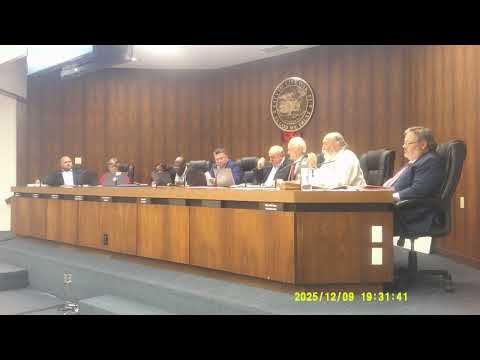
Live Oak council debate over late agenda notices leads to workshop and policy proposals
Summary
Council members and staff in Live Oak disputed last-minute agenda notices and staff communication, prompting the mayor to propose a workshop and the city attorney to recommend a formal pre-agenda policy to set deadlines and clarify council–staff interactions.
Speaker 1 said council staff are being put 'on the witness stand' by last-minute agenda changes and urged a firm deadline: 'The agenda should be ready to go 7 days prior to a meeting' so staff and the public can prepare.
The exchange opened a broader debate about roles and tone at City of Live Oak meetings. Speaker 3 described the questioning as 'passion' on behalf of constituents and said officials must develop 'thick skin,' while Speaker 4 warned elected members not to 'scrutinize' routine staff work and recalled the city's 2014 change in form of government that shifted day-to-day operations to managerial staff.
Speaker 2, who said they have served as mayor and on the council since 2014, proposed a practical next step: 'I'm going to ... call for a workshop' to review the charter, clarify lanes of responsibility, and help council and staff cooperate more effectively. The proposal did not appear to be moved as a formal motion and no vote was recorded during the discussion.
City attorney and staff procedure also drew attention. Speaker 5 suggested adopting a formal 'pre-agenda' meeting and a written policy that would set deadlines for submitting agenda requests, involve the attorney, city manager and finance director, and ensure items are vetted before they reach the public meeting. 'Some cities have what's called a pre agenda meeting,' Speaker 5 said, recommending that the council consider a clear deadline and policy to avoid last-minute additions.
Throughout the discussion, officials cited practical pressures: staff absences in public works and finance were raised by Speaker 1 as reasons late notice harms service delivery and employee morale. The group discussed options including individual briefings with the attorney, a workshop to address charter and role questions, and drafting a policy for agenda timing and staff–council interactions.
There was no recorded motion or formal vote on the workshop or on adopting a pre-agenda policy in this meeting. The discussion closed with multiple participants agreeing that written procedures or training could reduce tension; next procedural steps were left for follow-up rather than decided at the table.
The council did not adopt policy at this session; officials said they would pursue a workshop and individual meetings to draft potential agenda and staff-interaction policies for consideration at a future meeting.