
Educators and senators debate trade‑offs of school size, consolidation and foundation formula
Get AI-powered insights, summaries, and transcripts
Subscribe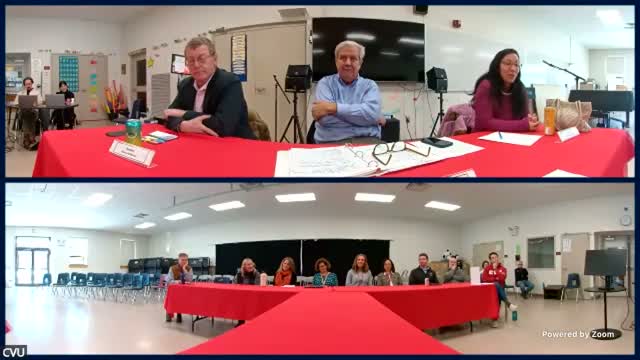
Summary
At a Senate Education Committee school visit, senators and teachers discussed the equity goals of the state's foundation formula and trade‑offs between small and large schools — more programs versus a loss of small‑school community and different cost drivers than simple per‑pupil math.
Senators and school staff used a December 8 school visit to probe whether larger consolidated schools deliver cost savings and whether the state's foundation formula achieves equity across diverse districts.
A senator who said she supports the foundation formula told the panel she believes it brings a more equitable baseline for funding than past arrangements that let local budget votes generate wide per‑pupil spending disparities. "The foundation formula strikes me as real equity that we actually haven't had before," the senator told the educators, and she asked teachers from different districts to compare experiences.
Educators pushed back on a simple accounting narrative that larger schools always save money. One superintendent‑level speaker said small schools can produce strong student outcomes and strong community ties, and that consolidation involves trade‑offs: "You can share an AP calculus teacher between the two buildings... but there are weird trade‑offs," a panelist said, describing students who worry about losing a sense of identity and smaller communities.
Panelists said that while larger districts may have more flexibility to fund extracurriculars and specialized programming, pedagogical approaches such as Harkness discussion and some project‑based classes are harder with larger class sizes. An educator reflecting on their experience in large suburban high schools said, "what works for us does not apply elsewhere," pointing to demographic and community differences across Vermont.
The committee heard both policy and pragmatic concerns: senators and educators agreed the choice is not only about dollars but also about instructional models, access to CTE and work‑based learning, and community identity. No formal vote or decision on consolidation was taken; the discussion was framed as input for ongoing policy work, including a referenced CTE work group and continued foundation‑formula analysis.
What’s next: Committee members said they will continue school visits and consider testimony and data comparing costs, program access and student outcomes as they refine any legislative proposals.