
Teacher panel tells Senate Education Committee students need accessible work‑based learning, mental‑health services and targeted supports
Get AI-powered insights, summaries, and transcripts
Subscribe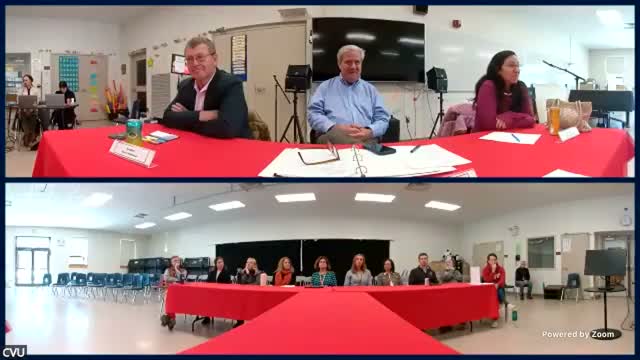
Summary
Teachers at a December 8 Senate Education Committee panel said work‑based learning and project‑based programs boost engagement but remain unevenly accessible because of transportation and regulatory barriers; they described rising post‑COVID absenteeism, big counselor caseloads and reliance on school‑contracted mental‑health services.
A panel of teachers told the Senate Education Committee during a December 8 school visit that layered supports — from embedded advisory programs to contracted mental‑health services — are essential to keep students engaged and in school.
Teachers and school counselors described programs that make extracurricular learning part of the school day so more students can participate and said hands‑on programs and personalized learning frequently re‑engage students who struggle in traditional classes. "We have a RISE class that we're gonna offer this year that's, you know, let's say we're gonna do a woodworking class," Snelling House Director Amy Wardwell said, arguing the work is "a labor intensive process" but one that yields high returns in student engagement.
Why it matters: Panelists framed these programs as more than enrichment: they are pathways to proficiency and to career options for students who are not on a college track. A school social worker on the panel said work‑based learning "gives kids hope" and warned that transportation limits and restrictive rules about cooperating with tech centers can keep poorer students from accessing those opportunities.
Panelists also described acute post‑pandemic attendance and mental‑health challenges. A panelist said chronic absenteeism rose after COVID and ‘‘went above 25 percent’’ statewide; the school represented at the panel reported weekly absence rates closer to 10 percent. "The reasons behind chronic absenteeism are really complex," one educator said, citing overlaps with mental‑health issues and socioeconomic barriers.
Special education director Jess Hopkins described coordination problems between schools and community providers: "The only player at the table who is required to provide services that are agreed on at a CSP is the school," she told the committee, referring to coordinated services plan meetings. Hopkins and other staff said community agencies often have long wait lists, leaving schools to fill gaps by contracting directly with providers or using graduate‑student interns to provide faster access to services.
Counselors' caseloads and resource strain were cited repeatedly. One panelist said school counselors have caseloads of "almost 300" students, and that some students face three‑month waits for outside therapy. Staff described using school‑day programming, embedded advisories and targeted interventions (MTSS) to identify students early and provide supports.
Panelists also credited school design features for supporting inclusion and engagement. John Bushnell described the ninth‑grade "core" model, in which each freshman is assigned to a six‑teacher team that meets weekly to track students’ progress and provide a tighter-knit transition from middle to high school.
What’s next: Panelists asked the committee to consider policy and funding changes that reduce transportation barriers for work‑based learning, support mental‑health staffing and sustain programs that are often the first to be cut in tight budgets. The committee concluded the panel with thanks and signaled follow‑up as part of its school‑visit series.