Citizen Portal
Sign In

Employers, unions and training providers urge Congress to scale SkillBridge, apprenticeships and employer incentives

Veterans Affairs: House Committee · December 3, 2025

Loading...

AI-Generated Content: All content on this page was generated by AI to highlight key points from the meeting. For complete details and context, we recommend watching the full video. so we can fix them.

Summary

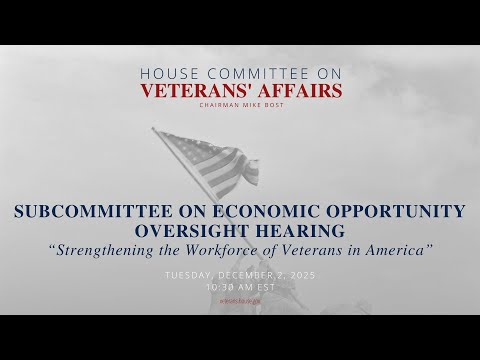
An employer and union panel told the House subcommittee scaling employer‑driven pathways — SkillBridge, registered apprenticeships and increased CMVOST funding — can improve veteran employment. Witnesses pushed for a central employer portal, outcomes tracking and incentives for small businesses.

Industry and union witnesses at the second panel urged Congress to expand employer‑led programs and funding that connect veterans directly to high‑paying jobs.

Greg Hamm of Werner Enterprises (testifying for the American Trucking Associations) argued the trucking industry can absorb many transitioning service members and urged Congress to increase funding for the Commercial Motor Vehicle Operator Safety Training Grant (CMVOST) program and pass bills easing regulatory hurdles for veterans seeking CDLs. "Hiring them is not charity. This is smart business," Hamm said, describing Werner’s apprenticeship and recruiting model and noting average driver pay above $75,000.

Gary LaBarbera Jr., business agent for Teamsters Local 282 and Helmets to Hard Hats trade adviser, said union apprenticeship and placement programs have connected roughly 55,000 veterans to careers since 2003 and emphasized registered apprenticeships and employer partnerships as the durable pathway to long‑term careers rather than one‑off certificate programs. He warned of predatory CDL programs that enroll veterans but leave them without career placements.

Jerome Grant, CEO of Universal Technical Institute, highlighted on‑base SkillBridge programs and UTI’s reported outcomes: roughly four out of five graduates employed in field within a year. Grant and other witnesses recommended expanding on‑base SkillBridge slots, better industry‑aligned curricula for EV and advanced manufacturing, and clearer outcome tracking so VA and Congress can separate high‑quality providers from bad actors.

David Bostick of John Deere described a dealer‑based hiring model that has placed roughly 800 veterans since 2019 and encouraged a centralized employer portal to streamline employer participation and veteran access. Witnesses across the panel backed stronger metrics — including employment rates after program completion — as the key accountability tool.

Members asked panelists practical steps: how to formalize employer advisory councils, fund small‑employer incentives for training and curb predatory providers. Panelists suggested grants, tax credits, subsidies for upfront training costs (estimated $3,000–$5,000 per hire for many employers) and outcome‑based funding as potential solutions.

The subcommittee heard broad agreement that employer engagement, clearer funding for CMVOST and scalable apprenticeship pipelines are the most promising levers to increase veterans' access to stable, well‑paid careers.