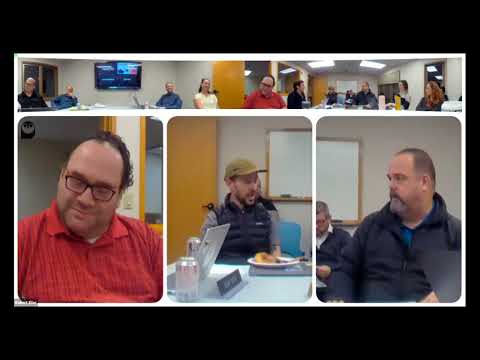
Citizen Review Board backs findings that officer used excessive force and flags improper muting of body cameras
Loading...
Summary
The Eugene Citizens Review Board reviewed a January 2025 arrest and heard staff and training analysis that sustained allegations that an officer used excessive force (strikes after handcuffing and multiple drive‑stun taser deployments) and that a supervisor improperly muted body‑worn video; the board pressed for retraining and clarity on muting policies.
A citizen oversight panel on Wednesday reviewed a January 2025 arrest and endorsed adjudication findings that sustained allegations the arresting officer used excessive force and that a supervisor improperly muted body‑worn cameras.
Members reviewed video and investigative materials presented by staff and the auditor. The packet summarized that the arrestee was handcuffed, was struck multiple times by Officer A, and was then subject to two drive‑stun taser deployments. The auditor’s office recommended sustaining three allegations related to use of force; the chief agreed with the auditor’s recommendation, and a separate allegation that a supervisor muted body‑worn video was sustained across the chain of command.
Why it matters: Board members said the case raised questions about when force is reasonable, how officers coordinate on multi‑officer responses, and when it is permissible to mute body cameras. Those issues affect public trust in investigations and in the department’s ability to explain actions to the community.
Board discussion and evidence: Staff summarized the factual timeline: officers responded to an address in January 2025 and Officer A detained and handcuffed the arrestee. In internal interviews Officer A said he had safety concerns and that those concerns justified his use of force. The presentation also recorded a supervisor’s explanation that body‑worn cameras were muted ‘‘to discuss investigative strategies.’’ Board members raised concerns about both the physical response and the decision to mute cameras.
Training and policy response: Training staff told the board that the department’s taser policy allows a ‘‘drive‑stun’’ (contact) mode in narrow circumstances as pain compliance but warned against placements near the neck and advised large‑muscle target sites. A training lead stated that muting body cameras ‘‘for investigative purposes’’ is out of policy in most operational settings and that the department had moved to retrain patrol supervisors and briefings to reinforce the rule. One department official said retraining and continued emphasis in patrol command briefings would follow this case.
Board reaction and next steps: Several board members said they were persuaded by the auditor and the chief that allegations of excessive force should be sustained, and they pressed staff to ensure the department reinforces guidance on body‑worn camera muting and documentation. The board did not take a separate formal public vote during the meeting; members urged administrative follow‑up, training and clarifying materials for supervisors.
What remains unresolved: The outside criminal investigation to which the case was referred did not proceed after the reporting party chose not to cooperate, and the district attorney declined prosecution for lack of cooperation; the statute of limitations remains open, board members noted. The board asked staff to consider whether additional policy review (including a look at taser policy language and muting justification) should be recommended to the Police Commission.
The meeting ended with routine announcements; the board moved on to other matters and closed at 7:26 p.m.