Get Full Government Meeting Transcripts, Videos, & Alerts Forever!
Get email alerts on the County Budget topic
No spam. Unsubscribe anytime.
Commissioners spar over rollback, audits and discretionary funds as state tax proposals loom
Summary
Commissioners debated whether to hire an external efficiency reviewer or pursue internal audits as possible state-level tax changes threaten county revenue; they discussed discretionary funds, possible rollbacks of millage, and directed staff to inventory mandated vs discretionary expenditures.
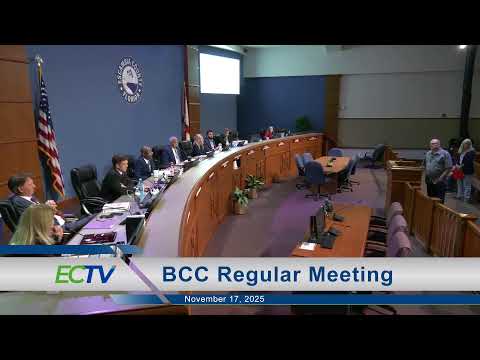
Board members spent a large portion of the meeting debating county fiscal strategy amid multiple pending state proposals that could reduce local property-tax revenue.
Chair Hoffberger and other commissioners proposed exploring efficiency measures and even a rollback of the millage rate to ease pressure on taxpayers if state changes reduce county revenue. Opinions diverged: some commissioners urged internal reviews using authorized manning documents (AMD) and department-level audits, arguing the board already has expertise and need not hire outside consultants. Others cautioned against acting prematurely while the state legislature and ballot initiatives remain uncertain.
Commissioner concerns included the role and size of discretionary funds allocated to each district, how cuts would affect essential services (public safety, drainage, and social services), and whether consultants can deliver independent, implementable recommendations. Staff and senior managers said they have begun a line-by-line review of budgeted expenditures to differentiate statutory or mandated items from discretionary spending and will provide analysis to the board in the January–March window.
No vote was taken to hire an outside reviewer; commissioners directed staff to produce reports, send instructions to constitutional officers to review statutory obligations, and schedule workshops and budget reviews for early next year. The board emphasized the need for a balanced approach that preserves core services while identifying savings before any final millage or rollback decisions are made.