Get Full Government Meeting Transcripts, Videos, & Alerts Forever!
Get email alerts on the Customary Use topic
No spam. Unsubscribe anytime.
Residents clash over 'customary use' on Perdido Key as commissioners weigh staff direction
Summary
Public forum speakers and commissioners debated whether to adopt a state-backed "customary use" policy to restore public access on Perdido Key beaches; beachfront owners warned of uncompensated loss of private use while visitors and advocates pushed for expanded public access and long-term protections for turtles and parks.
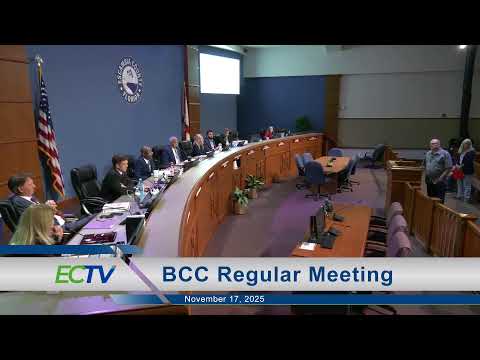
Dozens of residents and property owners filled the Escambia County commission chambers to press rival views on whether the county should implement a new state law restoring "customary use" rights on Perdido Key beaches.
At the public forum, supporters including Gary Holt asked the board to direct county legal staff to draft an ordinance to implement Senate Bill 1622—passed by the Florida Legislature and signed by the governor—so the county can begin enforcing customary use on Perdido Key. Holt said the policy would restore pre-2018 access and urged commissioners to be proactive rather than wait for future boards.
Opponents, including multiple Perdido Key Association leaders and full-time beachfront residents, told commissioners the proposal would amount to taking private use without compensation. Connie Walker read a letter from an out-of-state condo owner who said she pays roughly $4,500 in annual property taxes and objected to the county allowing public use on land she described as private. Other residents said opening additional dry sand to the public would shift beach maintenance and turtle-protection responsibilities and reduce revenues that support Johnson Beach and Perdido Key State Park.
Commissioners acknowledged the competing claims and the complexity of applying customary-use criteria—such as whether access is "ancient, reasonable and without interruption." Chair Hoffberger and other commissioners suggested the matter may require a committee workshop or Cal (committee) review before any ordinance is finalized. Staff told the board the state statute exists and that legal analysis and public engagement would be necessary before a local enforcement program could be implemented.
The board did not adopt an ordinance at the meeting. Commissioners signaled interest in further discussion at a workshop or committee before directing staff to develop concrete draft language, citing the need to balance public access with private-property protections and the legal and compensation issues raised by several speakers. The board indicated the topic will return to the agenda and may be scheduled for a committee review in the coming months.