Get Full Government Meeting Transcripts, Videos, & Alerts Forever!
Get email alerts on the Land Use topic
No spam. Unsubscribe anytime.
Narberth council moves toward an RFP for Sabine Park site; residents split over park preservation vs. mixed-use reuse
Summary
Council summarized developer interest in the borough-owned Sabine Park / former school site and proposed drafting an RFP that preserves the park while enabling adaptive reuse and affordable housing. Dozens of residents urged keeping the property as parkland; council emphasized community engagement before issuing an RFP.
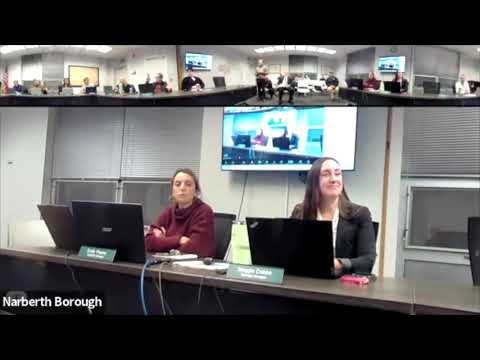
The Narberth Borough Council opened a lengthy public discussion Dec. 4 about redevelopment proposals for the borough-owned property that includes Sabine Park and the former school buildings.
Council members summarized multiple letters of interest from developers who proposed ground leases that would keep the park in place, adaptively reuse school buildings, and include affordable or workforce housing together with community space. "The borough would maintain ownership of the property, the park would stay where it is... we would ask [for] proposals that add amenities to the park or that expand the park," the council president said as he outlined the draft RFP guidance.
Several council members argued adaptive reuse and an RFP process could meet long-term borough goals: relieve the borough of the landlord burden, provide revenue through a ground lease, and create housing for teachers, seniors and workers. One council member said reuse is fiscally preferable to demolition (which had been estimated in the past at more than $1 million), and urged moving to an RFP so the borough can evaluate comparable proposals.
Many residents pushed back strongly during public comment. Speakers cited a 2020 community engagement survey that prioritized outdoor public space and urged the borough to explore grant funding, phased park improvements, or a community-led capital campaign rather than lease or dense development. "If you give this away to developers, you will never get it back," one resident said, urging the council to prioritize parkland and partner with residents on a park-first approach.
Council described next steps: staff will seek a partner to help draft an RFP, hold additional public education and feedback sessions in spring, and then circulate a draft RFP for community review. Council members said the RFP would be written to prefer proposals that maintain or expand parkland, incorporate existing community users (for example, Wonderspring), provide community meeting space and include some affordable units.
What happens next: the borough will pause any sale discussions, pursue RFP drafting and community engagement (target public engagement in March or April), and decide later whether to issue the RFP and accept proposals. Council also said it will avoid action on appraisals or subdivision steps while the RFP pathway is developed.