
Glendale council approves five‑year automated speed‑camera pilot, opts to use VeriMobility contract
Get AI-powered insights, summaries, and transcripts
Subscribe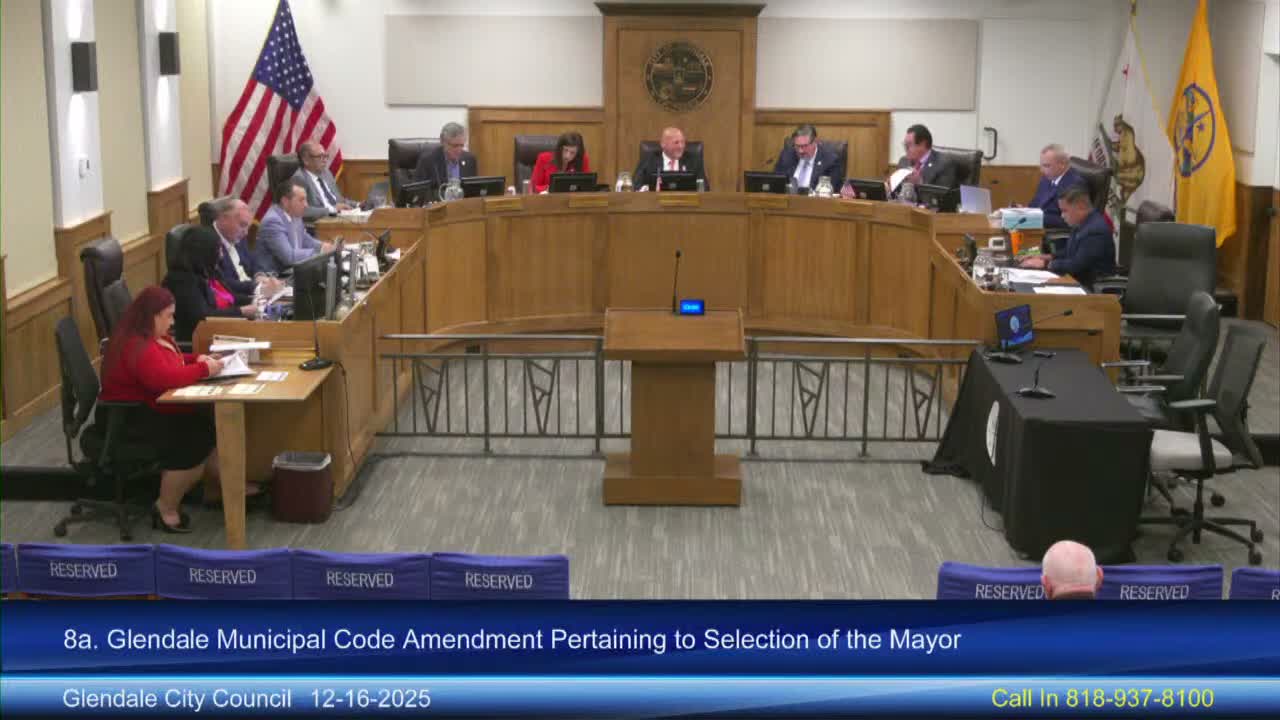
Summary
The Glendale City Council voted to authorize a five‑year pilot to install automated speed enforcement cameras at nine locations, entering a contract path using terms from Oakland’s procurement. Staff said the program is budgeted and aims to reduce speeding and traffic injuries, while some vendors urged a local RFP.
Glendale — The City Council on Dec. 16 authorized the city manager to enter a five‑year agreement, with two one‑year extension options, to implement an automated speed‑camera pilot at nine locations under California’s AB 645. The staff recommendation would either piggyback Oakland’s competitively bid contract with VeriMobility or negotiate the same scope directly with the vendor.
The program "aims to test whether automated cameras can reduce speeding and related traffic collisions that result in fatalities or injuries," said Adek Hanmandarian, senior traffic engineer, who led the staff presentation. Staff estimated vendor and operational costs at about $486,500 per year and additional city staff and postage costs at about $513,500 per year, bringing an estimated annual program cost near $1,000,000; staff said the pilot budget is already accounted for in the FY25‑26 budget.
Supporters said the pilot will modernize Glendale’s traffic‑safety toolbox and could free roadway capacity during peak summer loads by using vehicle batteries and demand‑response strategies; opponents and competing vendors urged a full local RFP so Glendale could evaluate alternate technologies and pricing. "We think it's unfortunate that, if you forego a fair RFP process, you're losing the only opportunity to analyze other technology," Seamus Garrity of BlueLine Solutions told council members.
Council debated two procurement paths: (1) piggyback the Oakland contract with VeriMobility, which staff said offers a turnkey service at $4,500 per camera per month, or (2) run a Glendale RFP. Supporters of piggybacking pointed to implementation speed and lessons learned from San Francisco and Oakland programs; those favoring an RFP said competition could yield lower costs or better community‑tailored outreach.
City staff said the pilot includes a 60‑day warning period before fines may be issued, and that citations under the law may range from $50 to $500. The program must conduct a public‑information campaign at least 30 days before enforcement begins, and the law requires that any excess revenue be reinvested in traffic‑calming improvements.
After extended public comment and council debate about timing, vendor performance history, outreach to Glendale’s Armenian‑language population, and contract oversight/termination language, the council approved the staff recommendation to proceed under the terms presented. Staff said contract documents will include standard termination for cause provisions and additional language to require vendor outreach and customer service that meets Glendale’s multilingual needs.
Next steps: staff will return with contract execution paperwork and implementation dates, plus details on the required public‑information campaign and the initial three segments where the pilot will be installed.