
Kansas Rep. Alan Rivas urges county to press KDOT for roads, pushes property-tax and grant options
Get AI-powered insights, summaries, and transcripts
Subscribe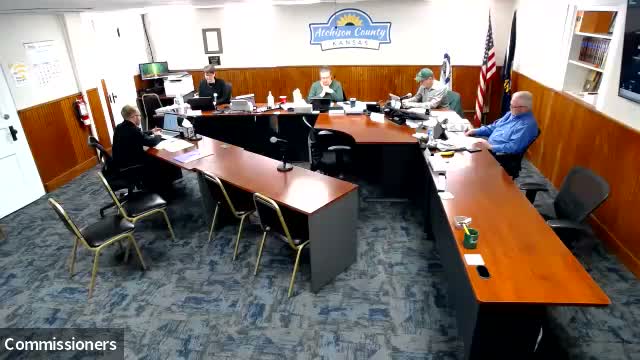
Summary
State Rep. Alan Rivas visited the Atchison County Commission on Dec. 16 to press KDOT and his legislative colleagues for greater attention to local roads and bridges, to describe a new grant-technical-assistance program, and to preview bills addressing property-tax exemptions and mail-in election rules.
Representative Alan Rivas, a member of the Kansas House, visited the Atchison County Commission on Tuesday to press local leaders to press KDOT for more attention to county roads and bridges and to discuss several state-level policy proposals he said could help small counties.
Rivas told the commission the county needs to participate in KDOT's local consult process, a regional project-ranking meeting held every two years, and asked local elected officials to attend the next consult so engineers and regional representatives hear from those who use and maintain local roads. "We've been kind of the red-headed stepchild up here in the corner, and we have to kinda go, hey. We're over here," Rivas said, urging that towns send representatives to make the case for shoulder widening, intersection fixes and bridge work.
He described a new technical assistance and grant-support program that can help small counties write competitive infrastructure grants and said the program is particularly valuable for counties that lack in-house grant-writing capacity. Rivas said some short-term shoulder and intersection work already had been taken up and that the consult process can move projects higher on regional priority lists when local officials explain needs in person.
On state policy, Rivas described ongoing efforts in the Legislature to address rapid growth in property tax assessments and to reconsider exemptions that narrow the tax base. He referenced a proposal he called the "Tax Freedom Act" (House Bill 5014 in his remarks) that would reduce some exemptions and seed a fund intended to alleviate certain vehicle and property tax burdens over time. He cautioned that such proposals require actuarial study and that details remain in flux.
Rivas also raised elections policy, saying he's sponsoring a bill to end "mail-in only" elections while preserving absentee and overseas voting; commissioners discussed whether a federal executive action on unsolicited mass mailings of ballots would drive state changes. He told the commission he and legislative colleagues had started a local-government caucus to give smaller counties a unified voice on mandates and funding.
Commissioners asked follow-up questions about exemptions (such as sales-tax or vehicle exemptions) and local impacts; Rivas said many details remain under review but encouraged continued contact between county officials and state representatives. The commission thanked Rivas and invited continued updates as bills and programs progress.