
Appoquinimink outlines major special-education expansion, board presses for staffing and cost data
Get AI-powered insights, summaries, and transcripts
Subscribe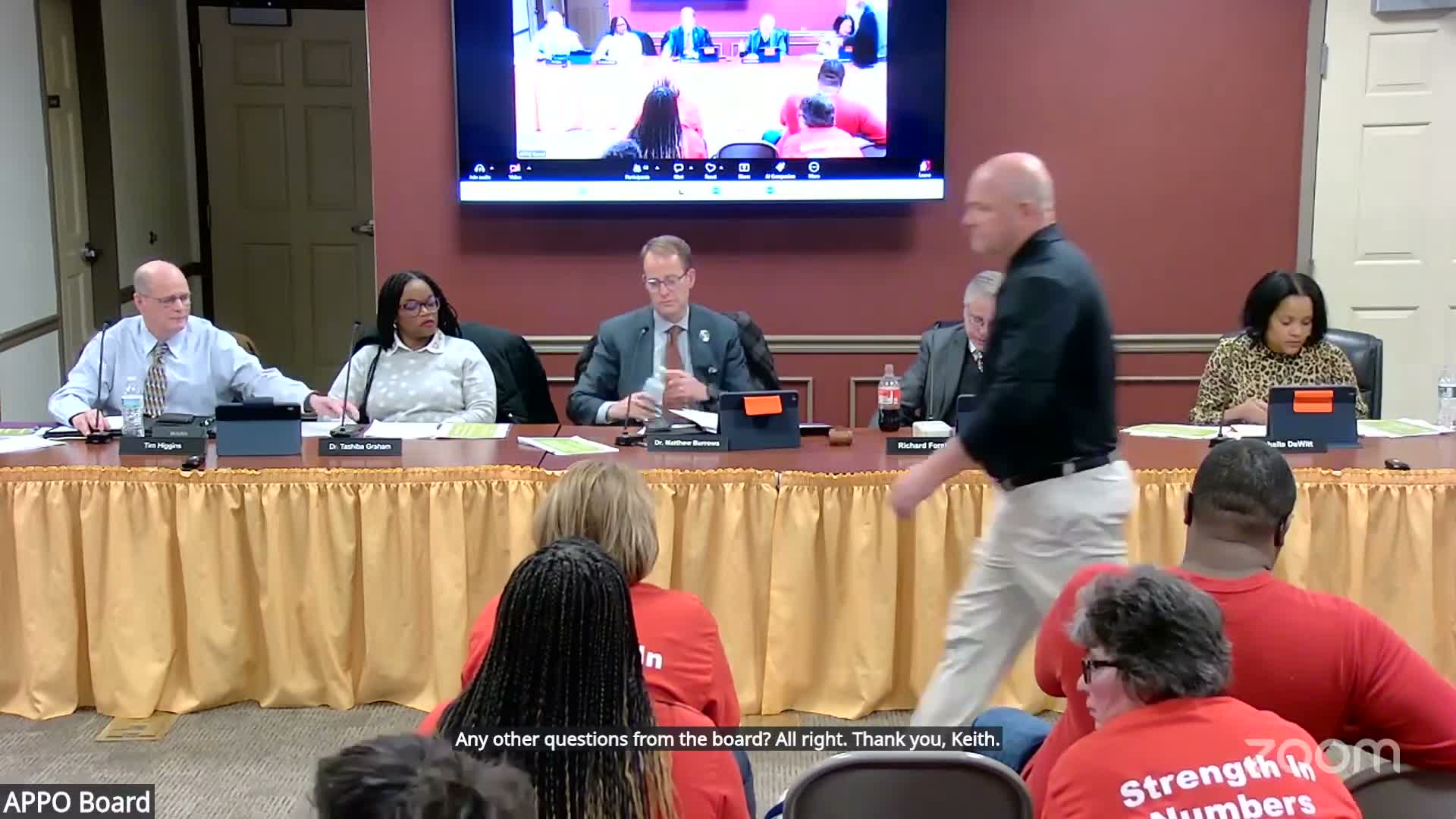
Summary
District officials proposed expanding autism and vocational pathways across the district, bringing students back from a state program; board members asked for enrollment and cost forecasts and raised trade-off questions about concentration versus spreading services.
Appoquinimink School District officials presented a multi-year plan Tuesday to expand special-education services and bring students back from a statewide program, and trustees pressed for more staffing and fiscal detail before approving the conceptual plan.
The district said enrollment growth and the return of students from the Brennan (Christina School District) autism program are driving expansion of RISE (autism supports), the LCCE (Life-Centered Career Education) high-school pathway, and LIFE services for students ages 18—2. Miss Peters, a special-programs presenter, said the district added two RISE classrooms at a local early-childhood center and expanded RISE at Alfred G. Waters this school year; the plan calls for LCCE to be available at all three high schools over time so students can attend their neighborhood feeder high school.
"The LCCE pathway will be in all three high schools," a district special-programs presenter said, adding that Odessa High will begin a new LCCE cohort for ninth graders next year and that a second LIFE site will open at Odessa. District staff said they will not relocate current students; new ninth graders in Odessa—s feeder pattern will start at the local high school and the program will grow with each grade.
Why it matters: The shift returns tuition-funded students to district schools and is intended to increase inclusion and access to feeder-pattern continuity. Board members warned that spreading special-program classrooms across three high schools could dilute critical mass, raise staffing complexity and increase transportation costs. President Forrester and other trustees asked for a cost/benefit analysis showing whether distributing three classrooms per site is more or less expensive than concentrating services in fewer buildings.
Staff said their research supports a target of three special-program classrooms in a building as a practical minimum for adequate team planning and coverage; they also cited benefits of inclusion and peer opportunities when programs are housed in neighborhood high schools. The district committed to returning to the board with more granular enrollment forecasts, staffing plans and a financial comparison of consolidated vs. distributed models in January.
The board did not take a final policy vote on the expansions but requested additional data on projected student counts, staffing needs and transportation implications before approving site-level placements.