
Parents and teachers press Berkeley County School Board over SRO reassignment, curriculum control and special-education staffing
Get AI-powered insights, summaries, and transcripts
Subscribe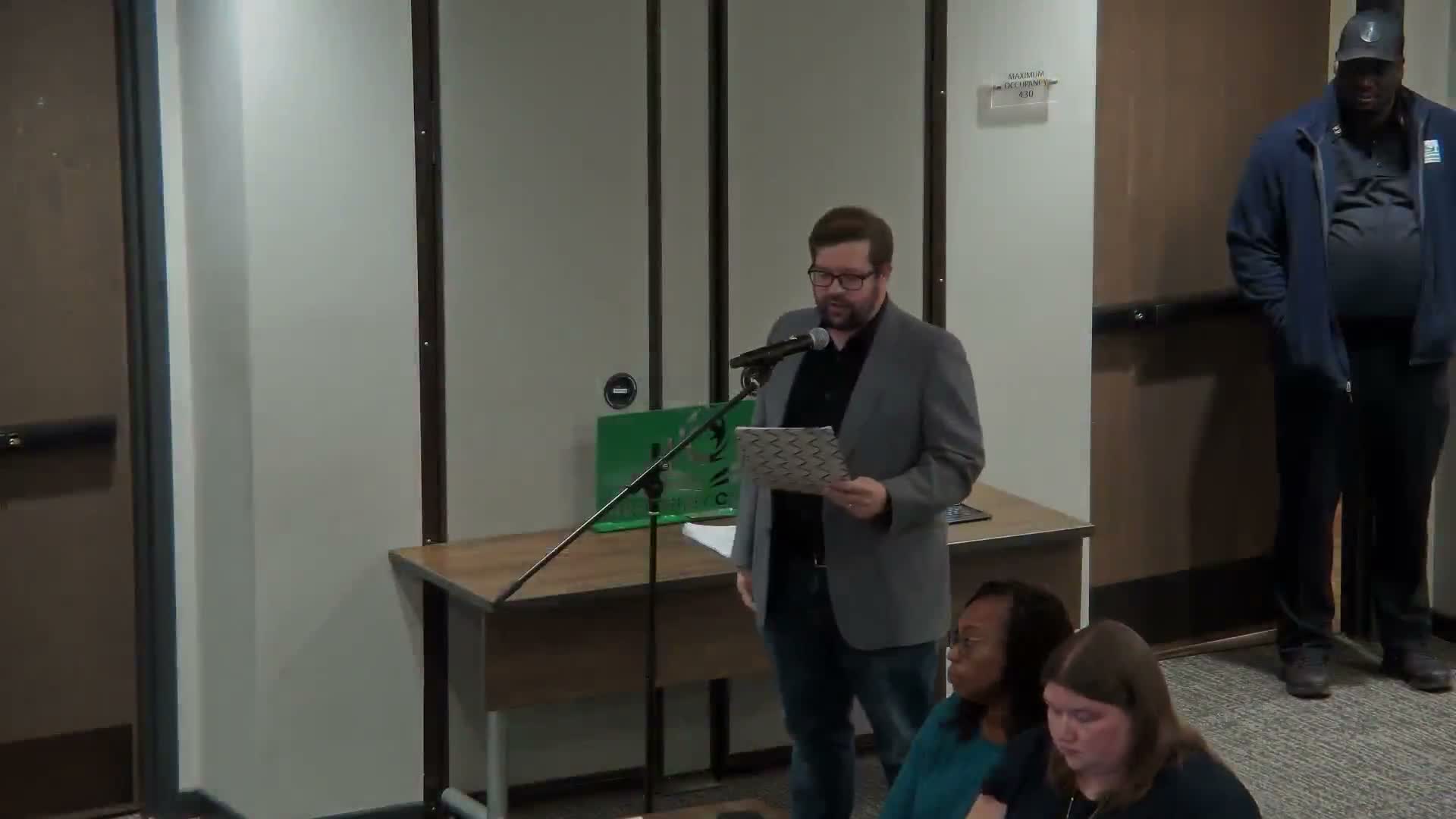
Summary
Eight public commenters urged the Berkeley County School Board to reconsider a school resource officer reassignment, raised concerns about principal conduct and school climate, alleged curriculum micromanagement, and warned of special-education staffing that may conflict with federal IDEA requirements.
Parents, teachers and students pressed the Berkeley County School Board on Nov. 17 over several personnel and instructional concerns, including the reassignment of a school resource officer, what speakers described as rigid curriculum controls and shortages of certified special-education staff.
Adam Erickson, a parent, asked the board to "consider the strong support" the school resource officer had at Howell and to "potentially rethink the decision" to reassign her, saying he heard "nothing but heartfelt stories" from parents, students and staff about the officer's positive impact. Fifth-grader Zelda Erickson told the board, "Whenever I would see officer Moody, I knew that she loved the students and that she did everything to protect and keep us safe."
Sarah Khalil, speaking for the Berkeley County Education Association, said teachers feel "suffocated" by district pacing guides and described an environment where "if it's not in the district approved curriculum ... they can't use it," which she said reduces classroom creativity and morale. "Teachers are trained professionals, not robots reading from a manual," Khalil said.
Amanda Hebel, a parent and advocate, raised specific legal concerns about special-education staffing. She said "non certified substitute teachers" are being placed in special-education classrooms serving students with individualized education programs and argued that the practice "raises serious compliance concerns under both federal and state law," citing federal IDEA requirements and state certification standards.
Several parents, including Juliana Alcon, described fears among teachers about speaking honestly in front of building administrators and urged the board to adopt private, anonymous climate surveys and to allow teachers to be interviewed confidentially. "Teachers are afraid," Alcon said, calling current conditions "a form of workplace abuse" and warning the group may take complaints to the state if internal remedies fail.
Other commenters, including Kayla Bell and Jonathan Tudor, expressed opposition to proposed attendance-zone changes that would move portions of established neighborhoods from Fox Bank to Whitesville Elementary, arguing that stable neighborhoods were being rezoned instead of faster-growing areas. Lindsay Draguel warned of pressure from an "outside organization" she said is pushing book challenges and policy changes that "destabilize school districts and drive experienced teachers out of the profession."
The board did not take action on public comments at the meeting; the chair reminded the public that comments "are welcomed and encouraged" but that the board typically does not act immediately on statements made during public comment. The superintendent later delivered a routine report on district programs and closures.
What happens next: commenters asked for specific follow-up steps — reexamination of the SRO reassignment, an anonymous district-administered climate survey, and a review of special-education staffing to ensure compliance with IDEA and state certification rules. The board did not announce any immediate follow-up actions in open session.