
Boone County board does not advance LifeWise Academy proposal after divided public comment; motion fails for lack of second
Get AI-powered insights, summaries, and transcripts
Subscribe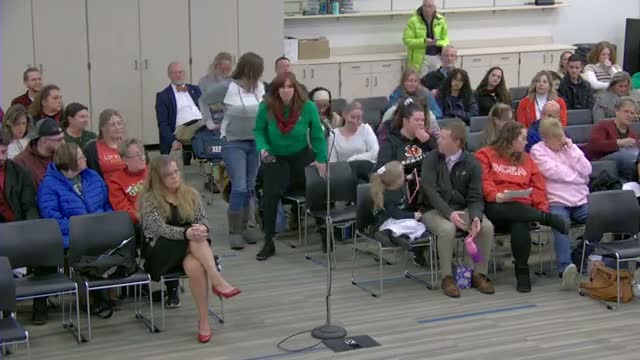
Summary
A motion to approve LifeWise Academy for in-district moral instruction received no second and did not proceed after a lengthy public-comment period in which parents and community members both urged support and raised legal, safety and scheduling concerns.
A motion to approve a proposal from LifeWise Academy failed to move forward at the Boone County Board of Education’s December meeting after a board member made the motion but no one seconded it, terminating the proposal procedurally.
The item drew extended public comment for and against the faith-based LifeWise program. Taylor Sizemore, LifeWise’s Boone County program director, told the board the organization had gathered “150 individuals within the county that do want this” and said 78 students were pre-enrolled, framing the program as parent-choice and privately funded and asserting the program would operate within the law. “Give us one school. Give us one grade level. Let us show you how this can work,” Sizemore said.
Several parents and teachers urged the board to reject LifeWise. Amber Hoffman cited litigation involving LifeWise programs in Ohio and alleged prior misconduct by a LifeWise director; she said those issues make the organization unsuitable for Boone County Schools. Julie Brown, a parent, said she had reviewed LifeWise materials and raised concerns about lawsuits and discrimination reports, adding that “religious instruction…does not belong in public school.”
Others told the board LifeWise would be optional and could help struggling students. Jacob Sizemore said “no student is required to participate,” and that the program provided an additional supportive adult voice for children who need it.
Board procedure stopped the proposal: board member Maddox moved to approve LifeWise but no board member seconded the motion, and the chair declared the motion did not survive. The board did not take a vote on approval. A separate earlier board vote referenced by a public speaker—reported as 4–1 the previous month against allowing religious organizations during instructional time—was cited by several opponents to argue for preserving current practice.
The board did not adopt LifeWise at this meeting; members asked procedural questions and indicated any future consideration would require a properly seconded motion and likely additional information on operations, scheduling and legal risk.
The meeting record shows widespread public interest on both sides, but no formal approval or denial occurred because the motion procedurally died for lack of a second. The board proceeded to other agenda items.