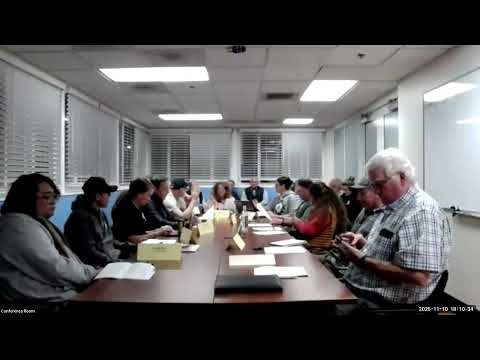
San Mateo AAC pushes for clearer rules, special retreat after committee survey
Loading...
Summary
A consultant and county staff presented survey findings and procedural changes to the San Mateo County Agricultural Advisory Committee, which recommended holding a dedicated retreat to clarify the AAC's role, improve meeting procedures and strengthen collaboration between members and county staff.
A consultant and county planning staff on Monday laid out steps the San Mateo County Agricultural Advisory Committee (AAC) can take to be more effective, recommending a special retreat to clarify roles and fix recurring meeting problems.
Debbie Schechter presented the results of an internal committee survey, saying members consistently asked that the AAC be allowed to "promote and support agriculture in the county" while having a clearer role in county policy and project review. Schechter said the survey highlighted four themes: clarify the committee’s role, improve meeting processes and training, increase collaboration and respect between county staff and members, and provide timely, relevant information to AAC members.
Sophie Matier, assistant director of the county’s Planning and Building Department, told the committee staff will change future agendas to list each step for items (presentation, clarifying questions, public comment, committee discussion, then motion and vote where required). She said staff will also offer printed packets by request, prioritize staff reports as the main reading material, and provide a script for the chair to follow meeting steps more consistently.
County counsel Brian Pettit emphasized procedural constraints under the Brown Act and explained that if a member wants to bring a previously decided motion back for reconsideration, it must be seconded and taken up after pending business is finished.
Committee members raised concerns about hybrid meeting logistics, recording and posting practices, and inconsistent staff presence at meetings. Several members asked staff to ensure recordings do not retain post‑adjournment conversations and to provide adequate in‑person support for applicants and the AAC. Matier said the county will continue to offer a hybrid option and increase staffing support for facilitation and minute preparation.
The committee agreed in principle to a short survey on possible retreat dates; Schechter and county staff suggested a longer meeting (up to three hours, with a meal) to work on role clarification and meeting norms. The next regular AAC meeting is scheduled for Dec. 8.