
State Department reiterates pressure on Maduro, cites indictments and sanctions as part of enforcement
Get AI-powered insights, summaries, and transcripts
Subscribe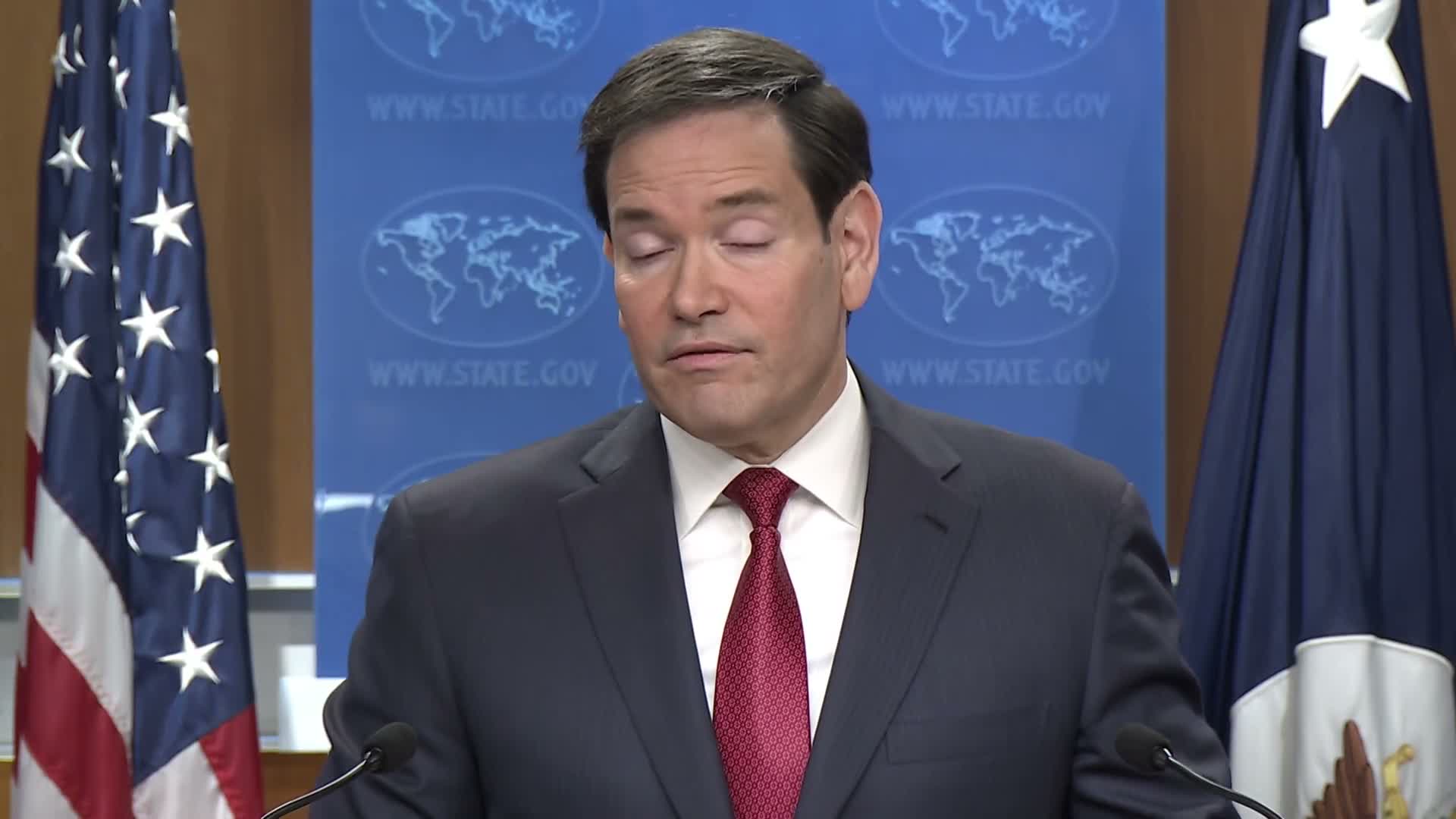
Summary
The secretary described Venezuela's Maduro regime as "illegitimate," tied to narcotrafficking and terrorist groups, cited federal indictments in the Southern District of New York, and defended maritime enforcement actions that target sanctioned oil shipments and transshipment networks.
The Secretary of State repeated the administration’s position that the Maduro-led government in Venezuela is illegitimate and has cooperated with terrorist and narcotics-trafficking organizations, citing U.S. indictments as evidence presented to a grand jury.
He said enforcement actions at sea and sanctions are being applied to disrupt a transshipment network that evades existing sanctions and fuels criminal activity: "These are enforcement actions...Every one of these has a court order attached to it," he said. He described boat strikes and seizure actions as part of sanction enforcement, not unilateral acts of war.
Asked whether the U.S. seeks regime change, the secretary declined to predict an outcome but said the administration’s stated national interest is to stop narcoterrorism and the flow of drugs to the United States. He cited grand jury indictments in the Southern District of New York and reward notices in support of those cases as underpinning the U.S. position.
The secretary also addressed whether Congress must authorize ground strikes, noting that administrations have contested the constitutionality of the War Powers Act but that the administration has briefed Capitol Hill repeatedly (he said 23 bipartisan briefings) and will keep lawmakers apprised. He added that nothing discussed to date required notification or approval because no threshold into open hostilities had been crossed.
On migration, he tied pressure on criminal networks to a broader regional strategy, saying disruption of narco-trafficking is central to reducing destabilizing migration flows from the region.