
Railroad sets Dec. 19 removal date for encampment behind Penobscot Plaza; city prepares storage, outreach and advisory committee
Get AI-powered insights, summaries, and transcripts
Subscribe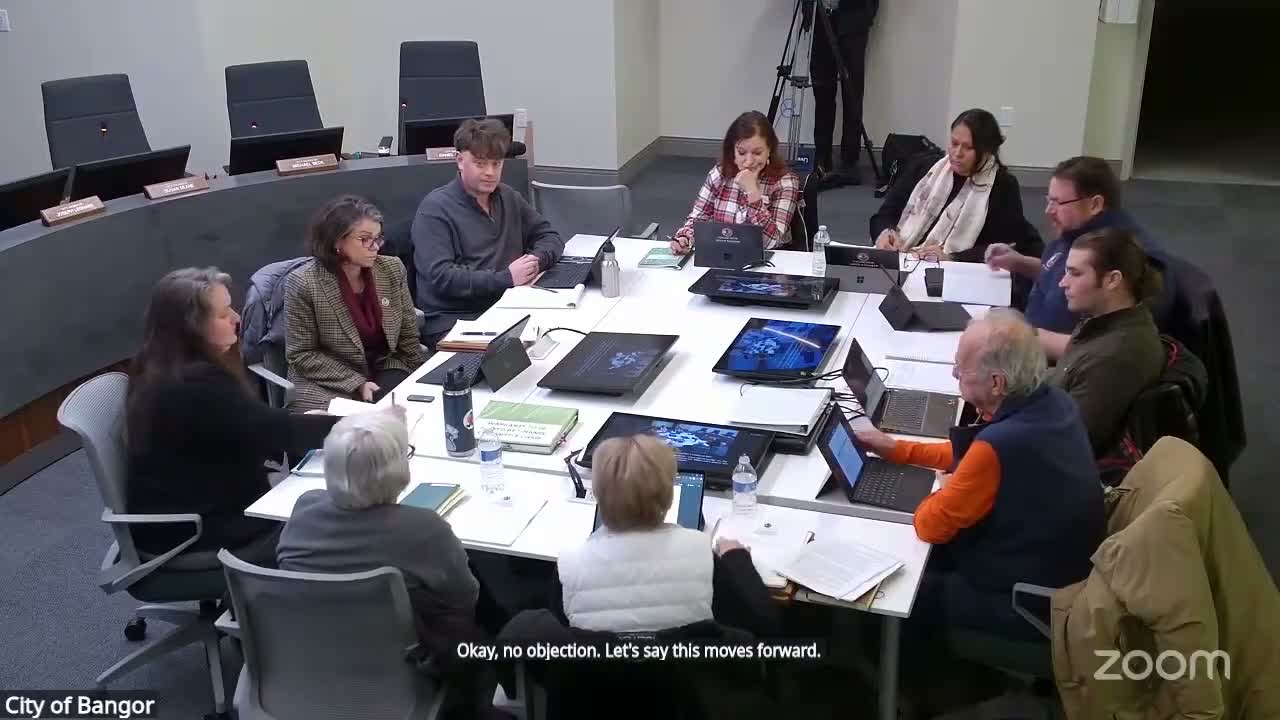
Summary
Staff told the committee the railroad will request removal of people on its property by Dec. 19 with cleanup Dec. 22; staff reported about six tents likely on railroad land and six on adjacent city land. Council directed staff to convene partners, offer storage and mitigation, and to form a short-term advisory committee on homelessness.
City staff told the Government Operations Committee that the railroad has indicated it will ask people to remove themselves from its portion of the property behind Penobscot Plaza on December 19 and will have cleanup crews on December 22.
Janine Genderman, Director of Public Health, said a field check found roughly six tents along the tracks (likely railroad property) and about six tents closer to the wall on city land; some tents were occupied while others appeared abandoned or used for storage. Genderman said the department checked in with people in the tents but could not confirm exact occupant counts per tent.
Christina Perry, a co-owner at Penobscot Plaza who represents about 10 businesses there, told the committee that business owners have faced persistent disruptions, cited photographs of discarded needles and piles of trash and said customers avoid the area at night. "I want those people to have a place to go, but I just need it to be a safe place," Perry said, and asked the city to weigh business impacts in planning.
Councilors and staff discussed options. Staff said an earlier technical review suggested the adjacent city parcel could hold roughly 18–19 tents by federal campsite spacing standards but concluded the site is effectively landlocked, lacks community support and is not a feasible long‑term solution. Partners on the ground — PATH outreach teams, warming centers and other nonprofits — are engaged but shelter capacity is limited: Hope House reported no available beds and Bangor Area Homeless Shelter reported two beds that were likely filled.
Short-term mitigation: staff offered practical steps for the coming days to reduce chaos and preserve people's belongings: provide temporary storage, distribute tubs and heavy gloves for safe clean‑up, ensure naloxone availability, communicate warming‑shelter and day‑center options and coordinate with case managers so voucher holders retain contact with providers. The committee agreed to treat December 19 as a firm external deadline set by the railroad and to convene partners for an "all hands on deck" effort to reduce disruption.
Longer-term planning: councilors supported creating an advisory committee to develop a strategic action plan (examples discussed included a short‑term 90‑day task force to prepare immediate strategy and a longer committee for oversight). Staff recommended hiring a homeless response manager to staff and facilitate the committee; tentative follow‑up workshops were proposed for Jan. 6 and Jan. 13 to advance the plan and finalize committee membership.
Ending: Council directed staff to prepare a short-term operations plan for the week ahead (storage, outreach, shelter coordination) and to return with updates and materials for establishing the advisory committee and hiring support staff.