
Bangor consultants propose mobile ticketing, smart card and $2 single fare with fare capping
Get AI-powered insights, summaries, and transcripts
Subscribe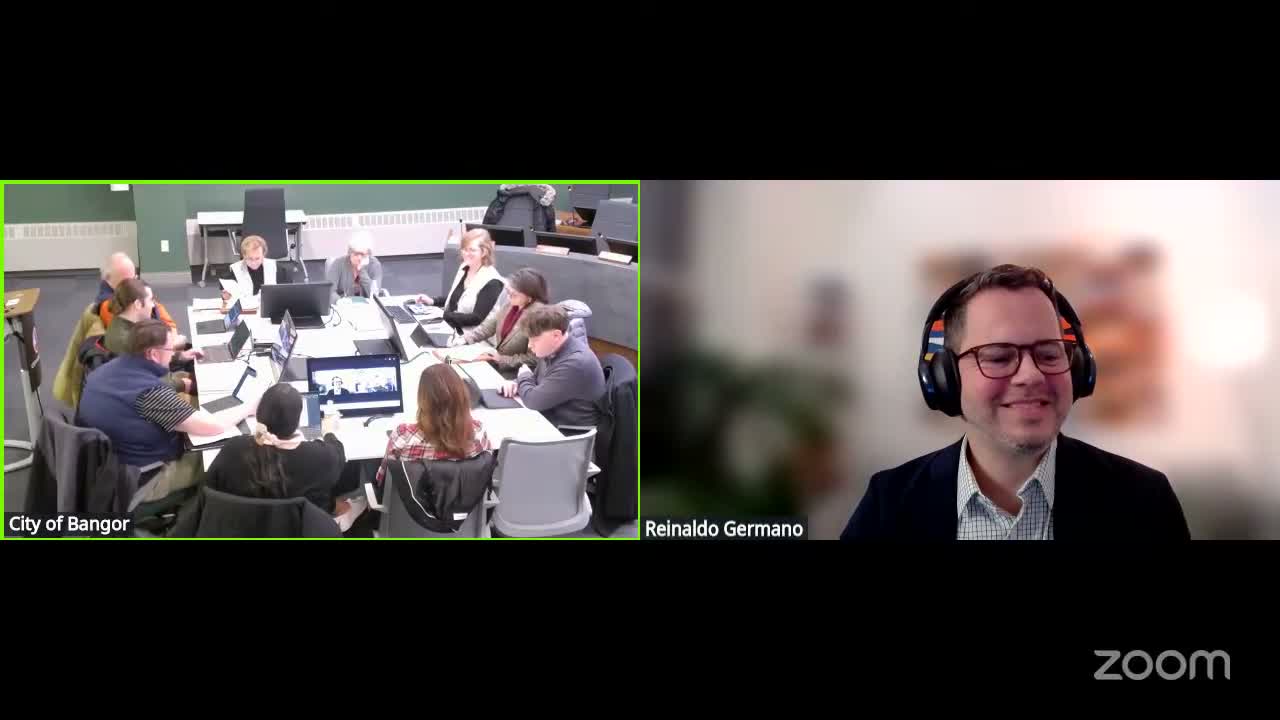
Summary
Consultants recommended mobile ticketing, a renewable smart card and fare capping for Community Connector, plus a single-ride increase from $1.50 to $2; staff said an RFP will be released next year and rollout could begin in 2026–27. No formal action was taken tonight.
Consultant Reynaldo Germano, transit planner with Forceway ITP, told the Government Operations Committee that a proposed modernization of the Community Connector fare system would add mobile ticketing and a renewable smart card, introduce fare capping and raise the single-ride fare from $1.50 to $2.
The fare-study team presented three goals: improve fare revenue, reduce driver and staff burden from paper tickets, and lessen cost barriers for lower-income riders through fare-capping that eliminates the need to pay a full monthly pass up front. Germano said, “fare capping means that a rider would never pay more than a set value in a month,” adding that riders would pay per trip until reaching the cap and then ride free for the remainder of the month.
Why it matters: city staff and the consultant said fares now cover a smaller share of operating costs than before the pandemic and that fares have not increased since 2014. Germano estimated annual fare revenue could rise from roughly $550,000 to the low–mid $800,000 range under several adoption scenarios, assuming about a half‑million annual rides. He also estimated recurring vendor costs for fare collection technology at around $70,000–$80,000 per year and noted vendors typically charge transaction fees that can be up to about 10 percent.
The proposal would phase out some paper products (for example, a five‑ride ticket) while keeping cash options in the short term and introducing transfer protections for app and smart‑card users; cash payers would still need to pay again when transferring unless they convert cash into stored value. Germano said the smart card is intended to serve unbanked riders and those without reliable phones, and staff would run an outreach and free‑card distribution program during rollout.
Public engagement: the study team held six pop‑up events and spoke with nearly 90 people at regional locations (Bangor, Old Town, Hampton, Brewer) and collected 27 written comments. According to staff, attendees were generally receptive to modernization, supportive of retaining cash options and more accepting of fare increases if service improvements followed.
Councilor concerns: Councilor Fish and others questioned projections that predict a short‑term ridership dip. Germano said the model includes elasticity and variable adoption rates; some riders will adapt quickly while others will take longer. Some council members pressed staff on whether a fare increase without tangible service improvements (for example, restored Saturday service or later hours) would be politically viable; staff said they recommend tying any price increase to visible service or technology launches.
Next steps: staff are finalizing an RFP for fare‑collection technology and expect to begin vendor procurement early next year, with selections in the spring and a phased rollout planned for 2026–2027. The committee took no final action tonight and asked staff to return with additional details on outreach and cost analyses.
Ending: The committee concluded the presentation and reserved further discussion and any formal decisions for a future meeting once the RFP and outreach summary are further developed.