
Residents, advocates press Monroe County for low‑barrier housing and alternatives to repeated evictions
Get AI-powered insights, summaries, and transcripts
Subscribe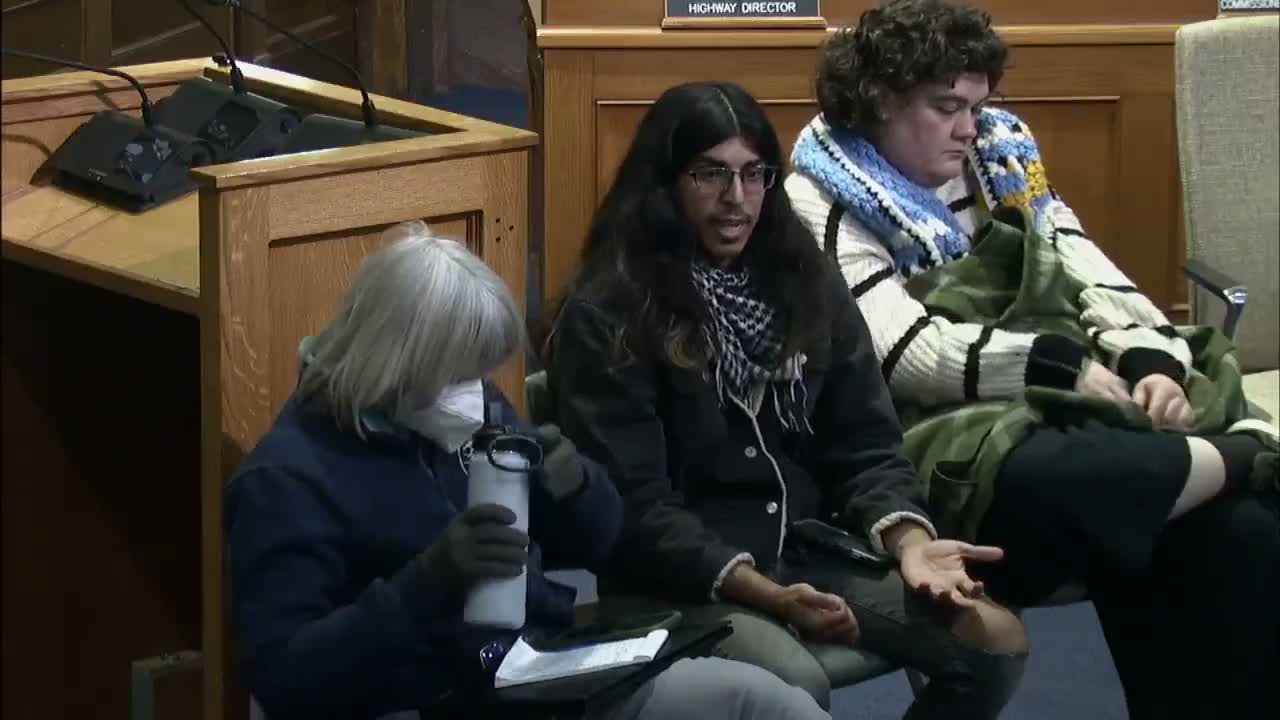
Summary
Speakers at a county work session urged preserving the Thompson property as interim shelter, exploring tiny homes and low‑barrier camping, and coordinating funding and planning across county, city and nonprofits; officials said legal, zoning and funding constraints will require multiagency work and cost estimates.
At a Monroe County work session, residents, advocates and nonprofit representatives called for permanent or interim alternatives to repeated clearings of the Thompson property, including low‑barrier campgrounds, tiny‑home communities and county‑owned bridge sites. Speakers argued that leaving the property available while scaling services would be less disruptive than repeated evictions.
Organizers and residents told county officials the Thompson property functions as an essential place where people who have been repeatedly cleared elsewhere can stay. One commenter urged the county not to sell the land and suggested selling instead to a nonprofit or holding the land in a programmatic way that would allow bridge housing. Another suggested the county could appropriate a parcel or solicit private donations to create a managed site with sanitation and case management resources.
Nonprofits described current outreach capacity and gaps. Erin Reynolds Nylund of Heading Home said the organization recently deployed five of six Lilly Endowment‑funded street outreach case managers in Monroe County and offered to help coordinate an encampment protocol and outreach linkages. Hotels for Homeless offered hotel rooms and phone support to reduce displacement risks in emergency weather situations.
County officials warned that some local solutions face legal and technical limits. Speakers flagged state statutes and local building codes that affect tiny homes and mobile home classifications and noted that sanitary infrastructure (septic/sewer) and security requirements would affect the feasibility and cost of any campground or tiny‑home community. One county official said such projects typically require planning commission review, council funding and coordination with city authorities when properties fall inside city limits.
Why it matters: Advocates said a planned, funded alternative could reduce harm, preserve property rights and avoid cycles of displacement. Officials said realistic planning should include cost estimates, identification of sites, and interagency coordination. The county's role includes convening partners and, if necessary, appropriating funds; the council is the fiscal body and would need to approve expenditures.
What participants proposed: community‑managed sites with peer security and wellness checks; low‑barrier tiny‑home clusters; temporary bridge housing using county land; formal protocols for sanitation and trash services; and a public process that includes lived‑experience participants in drafting proposals.
Next steps and constraints: The county agreed to reopen discussions with city leaders, county council and nonprofit partners and to collect proposals and cost estimates. Officials said state law and planning requirements limit what the county can implement alone and that the process will need clear funding sources and operational plans.
Ending: The session closed with an agreement to continue cross‑jurisdictional conversations and to bring proposals to future meetings where the council and commissioners can evaluate costs and legal constraints.