Get Full Government Meeting Transcripts, Videos, & Alerts Forever!
Get email alerts on the Conservation Easement topic
No spam. Unsubscribe anytime.
Local dairy owner urges Wasatch County support for conservation easements to preserve family farm
Summary
A local dairy owner delivering public comment described four generations on a 125‑acre family farm (88 acres already under easement) and urged support for a proposed Wasatch County bond to fund conservation easements as a way to keep farms viable and protect valley views.
A local dairy owner told the Wasatch County Commission that conservation easements helped keep his family on their land for four generations and urged support for a county bond to expand those protections.
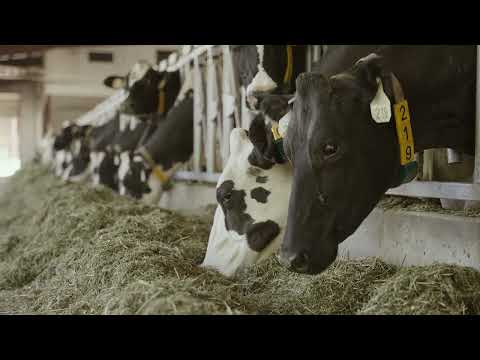
The commenter said his family has been in the valley since the late 1800s and that a great‑grandfather bought the property in 1929 and converted it to a dairy. "We are a fully functional dairy farm, so we're milking cows here every day," he said, noting the operation uses milking robots and mostly converts milk into cheese sold to the community.
The speaker, who identified the operation as a 125‑acre farm with 88 acres already subject to a conservation easement, said the easement preserves river‑bottom pasture and property boundaries that contribute to the Midway and Heber Valley landscape. He credited Wendy Fisher of Utah Openlands with handling most of the easement work and said residents and local governments demonstrated support by backing a county and city bond to help fund conservation easements.
Why it matters: the speaker framed conservation easements and a county bond as tools to allow farmers to "pull some of the value out of our ground" without selling to developers, preserving agricultural heritage and the valley's scenic character. He emphasized the broader decline in farming — saying fewer than 2% of Americans are now farmers — and presented easements as a way to keep successor generations on the land.
The comment included several concrete details: the farm operates on 125 acres, 88 of which are in easement; the family planted windrows and willow trees dating to 1929; and the easement covers river bottoms used for hay and grazing. The speaker described the easement process as largely facilitated by Utah Openlands and highlighted community backing for bond financing at the county and city level.
No formal action or vote was recorded in this public comment; the remarks served as testimony in favor of conservation easements and local financial support for them. The Commission did not announce a decision in this segment.