
Sugar Grove adopts Title 9 updates but declines immediate blanket sprinkler mandate for small commercial buildings
Get AI-powered insights, summaries, and transcripts
Subscribe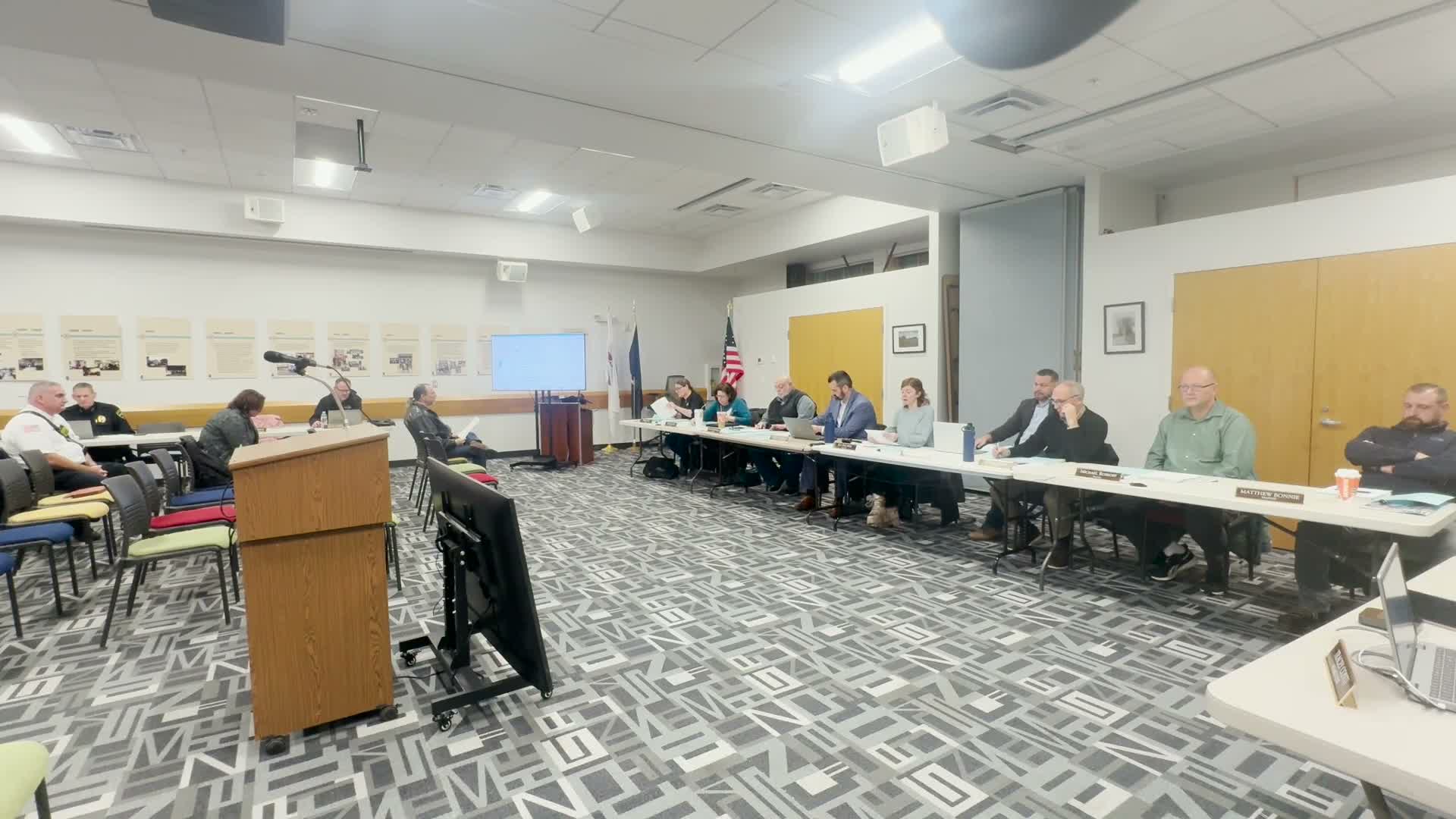
Summary
The Village of Sugar Grove approved an updated Title 9 building code Dec. 16 but declined to adopt the Fire Protection District’s request to require sprinklers in all commercial buildings under 5,000 square feet, citing cost burdens for small businesses and water-supply concerns.
The Village of Sugar Grove Board on Dec. 16 approved an ordinance updating Title 9 of the village building code but stopped short of adopting a Fire Protection District request that would have required sprinklers in all commercial buildings.
Danny Marion, community development director, told trustees that the village had proposed routine code updates and that the fire district asked the village to adopt a broader sprinkler requirement. "Staff does not support this requirement as it would be unduly burdensome an unduly burdensome expense on new businesses, especially the smaller mom and pop shops that the board has expressed interest in attracting," Marion said.
Kim Pruser, a consultant with Chicago fire protection, provided cost examples during the board’s discussion. She said retrofitting or adding sprinklers could add "an additional cost of almost $13,600 to a building about 3,000 [square feet]," and that projects requiring new water lines could push costs much higher — one example cited a line extension that increased costs by about $50,000.
Chief Moran and the Sugar Grove Fire Protection District emphasized life-safety and faster fire control when sprinklers are present. "For commercial, it's mostly property that saves," the chief said, adding that sprinklers can control fires quickly after ignition. The fire district argued that lightweight wood truss construction can lead to rapid collapse and that sprinklers help limit that risk.
Trustees weighed those safety arguments against concerns about small-business costs and practicality. Trustees asked whether surrounding communities require sprinklers for buildings under 5,000 square feet; Marion said many nearby municipalities do not, although some (including Oswego and Huntley) have broader requirements.
Board members also discussed alternatives, including stricter compartmentation, higher fire ratings between occupied areas, and targeted requirements for specific occupancies. Marion noted that if the board chose to adopt the fire district’s request it would need to do so via a separate ordinance because the proposed Title 9 updates already were submitted to the state and must be published 30 days prior to adoption.
After debate, trustees voted to approve the Title 9 building code updates as presented, but without adding a blanket sprinkler mandate for every commercial building under 5,000 square feet. The ordinance passed on roll call with one trustee recorded as opposed.
The board directed staff and the fire district to continue working on the issue and suggested the village could return with a separate ordinance or targeted amendments for future consideration.
The board’s action updates the village’s building code; any separate sprinkler requirement would require a further ordinance and additional public notice.