Get Full Government Meeting Transcripts, Videos, & Alerts Forever!
Get email alerts on the Dmc Plan Update topic
No spam. Unsubscribe anytime.
DMC presents 20‑year update; council presses for clearer housing, safety and metric details
Summary
Destination Medical Center representatives reviewed a 20‑year plan update framed around three strategic priorities and said the document is a strategic framework (not project approval); council members urged more concrete success metrics, homeownership strategies, transit coordination and clarity on safety responsibilities.
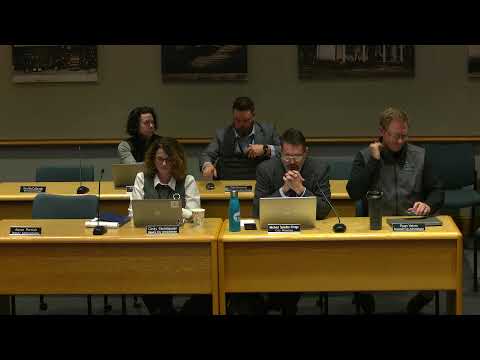
Patrick Seeb, executive director for Destination Medical Center (DMC), and Catherine Malmberg presented a strategic update to the DMC 20‑year development plan at the Rochester City Council study session on Nov. 24. They described the update’s organization (context, a snapshot of current conditions, and future strategies) and the three refined strategic priorities: accelerate health innovation, design for well‑being, and drive purposeful growth.
Seeb framed DMC’s role as a partner that catalyzes public and private investment to support Mayo Clinic‑related growth and downtown infrastructure. He reminded council that the state legislation enabling DMC requires a 20‑year plan and updates every five years. Catherine Malmberg walked the council through the plan structure, maps and the economic impact approach, and noted the plan contains appendices with additional data.
Council members asked detailed questions about downtown impacts. Council Member Palmer raised concerns that rapid growth is pushing up property values, making it harder for some retailers and residents to remain downtown; he pressed DMC on what it is doing to support retail vitality and security near the university. Seeb said DMC helps convene partners and cited programs such as pop‑up retail and a downtown task force that coordinates public‑safety conversations across partners.
Housing and ownership were prominent themes. Palmer noted the Maxwell study’s finding that homeownership has fallen and asked why the plan includes limited for‑sale housing strategies. DMC presenters described a small prototype partnership on Second Street that would produce a four‑unit workforce for‑sale project in partnership with First Homes and a private developer, and they said state‑level legal and liability issues complicate condo development at scale.
Council members also pressed for clearer, measurable success metrics in the plan. DMC presenters agreed to return with more detailed appendix material and refined performance indicators when the plan returns to council. Several council members asked that the plan more explicitly explain how DMC investments and tax tools (including historically expanded TIF authority) benefit the whole city and not only the downtown core.
Mayor Norton emphasized that public safety is a city responsibility, not DMC’s, and urged council to coordinate with city administration and police on safety answers. DMC said the plan will return to council in January and to the DMC board in February for further action; presenters reiterated that the document is a strategic framework and does not authorize specific projects without later approvals.
Next steps: staff and DMC will refine metrics, provide requested appendix data (including tax‑revenue breakdowns and geographic definitions for the MSA), and bring a revised plan back to the council in January ahead of DMC board action in February.