Lifetime Citizen Portal Access — AI Briefings, Alerts & Unlimited Follows
Heard but divided: Kayla Hamilton Act draws tragic testimony, sharp exchanges over child screening and detention
Loading...
Summary
At a Rules Committee hearing, Representative Tom Frey recounted the murder that inspired HR 4371 and urged stronger HHS screening for unaccompanied children; Representative Pramila Jayapal and other Democrats warned the bill would worsen treatment of children and enable family separation, and members engaged in heated exchanges over witness statements.
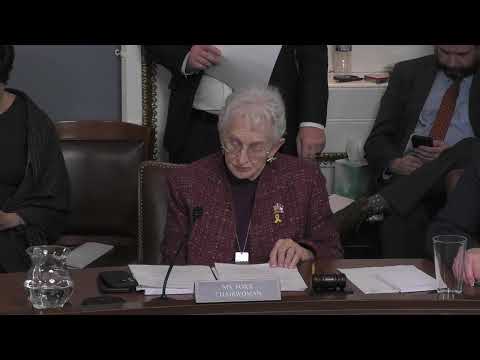
The House Rules Committee heard emotional and sharply contested testimony on HR 4371, known as the Kayla Hamilton Act, as lawmakers and witnesses disputed whether the bill’s requirements for screening unaccompanied alien children (UACs) would protect communities or harm children in federal custody.
Representative Tom Frey described the 2022 murder of Kayla Hamilton and said the bill "will require HHS to request UAC's criminal records from their home countries," strengthen sponsor background checks, and require secure placement for certain older UACs with convictions. "If HHS had conducted this screening of Walter Martinez, Kayla would be alive today," Frey told the committee.
Representative Pramila Jayapal responded that the bill "does not fix anything. Instead, it doubles down on cruelty," warning it would permit invasive searches and longer detention and could prevent children from being placed with relatives who are not U.S. citizens or permanent residents. Jayapal also said the bill would divert resources from efforts to investigate child exploitation.
Testimony and questioning turned heated when members and witnesses clashed over past allegations about medical procedures connected to the Irwin County facility. Representative Greg Scott accused a witness of lying during committee remarks; the witness demanded those words be struck from the record, and the member apologized on the floor — his apology was accepted and the words were stricken.
Members from both parties said they want to prevent tragedies but disagreed sharply on tools and scope. Supporters said stronger vetting and mandatory criminal-history checks for older UACs would stop dangerous individuals from placement with sponsors; critics said the bill risks broad detention authority, family separation, and invasive searches without clear definitions or safeguards.
The committee recorded additional procedural votes and moved toward reporting a closed rule that would take HR 4371 to the floor as part of the multi-bill package. Committee staff will include witness statements in the record and members requested follow-up documentation on disputed factual points.
What happens next: The committee reported a structured rule and submitted the hearing record; HR 4371 is now eligible for floor consideration under the reported rule. Several members said they will press amendments on the floor to narrow or expand screening, custody and placement authorities.