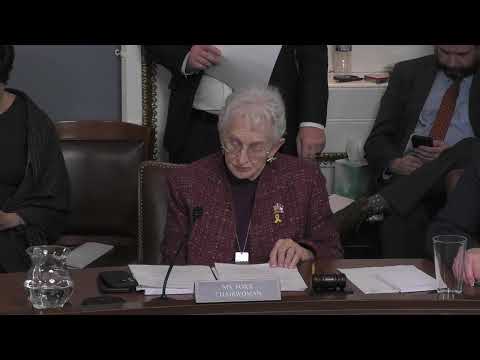
House Rules Committee advances structured rule for five bills after sharp debate over NEPA, judicial review and grid reliability

House Committee on Rules · December 16, 2025

Get AI-powered insights, summaries, and transcripts

Subscribe
AI-Generated Content: All content on this page was generated by AI to highlight key points from the meeting. For complete details and context, we recommend watching the full video. so we can fix them.

Summary

The House Rules Committee on Nov. 16 advanced a structured rule to consider five measures including the SPEED Act (HR 4776) and two energy bills, setting the stage for floor consideration after hours of testimony and partisan exchanges over NEPA timelines, judicial review and reliability mandates.

The House Rules Committee voted to report a structured rule that clears the House floor to consider five measures — including the Speed Act (HR 4776), the Mining Regulatory Clarity Act (HR 1366), the Reliable Power Act (HR 3616) and the Power Plant Reliability Act (HR 3632) — after a hearing in which supporters said the measures would end costly delays in permitting and opponents warned they would gut environmental protections.

Representative Langworthy moved the rule, saying members should "restore clarity and finality to the permitting process." Chairman Bruce Westerman, who testified for the Natural Resources committee, framed the SPEED Act as a fix for what he called a failing process: "The NEPA process has grown into a convoluted mess," he told the committee, adding the bill would limit agencies to considering only impacts "approximately caused by major federal actions." He also said the bill implements deadlines and narrows what can trigger NEPA review.

Democrats sharply disagreed. Ranking Member James McGovern argued the majority’s agenda ignored economic and affordability priorities and accused supporters of protecting corporate interests: "Nothing to lower grocery prices, nothing to help with rising rent costs," McGovern said. Representative Jared Huffman warned that the bills’ restrictions on judicial review and standing would make it harder for communities to challenge harmful projects and could "fundamentally shift NEPA ... towards a box checking exercise for developers."

A key point of contention centered on the bill’s litigation window. Supporters said cutting the statute of limitations for NEPA challenges from six years to 150 days would provide legal finality and reduce delay; critics said 150 days is an unduly tight window that would foreclose legitimate cases and marginalize community input. "We went from six years to 150 days," Representative Joe Neguse said. Chairman Westerman said shortened windows and other provisions are intended to keep processes moving so projects can be built and investments protected.

Energy witnesses also urged the committee to act on grid reliability. Representative Michael Balderson testified in favor of HR 3616 and HR 3632, telling the committee that grid operators have warned of baseload retirements and that demand could grow substantially over the coming decade. Those supporting the bills said additional authority for FERC and advance-notice requirements for planned retirements would help prevent blackouts.

Democratic members countered that the Reliable Power and Power Plant Reliability bills would raise utility bills and prioritize fossil fuels at the expense of clean-energy growth. "These bills are simply not the building blocks of a bipartisan deal on permitting," Representative Malone said.

Committee proceedings included a series of recorded votes on rule amendments, several of which sought to broaden who can challenge an agency action and to prevent foreign adversaries from benefiting from mining projects. Those amendments were defeated. The committee then reported the rule to the House.

What happens next: The Rules Committee’s action sends the five bills to the floor under the structured rule reported by the committee; members indicated they expect additional debate and amendments on the House floor. The committee record will include submitted statements from witnesses and the transcript of today's hearing.