
Residents and advocates urge enforceable nitrate limits to protect drinking water
Get AI-powered insights, summaries, and transcripts
Subscribe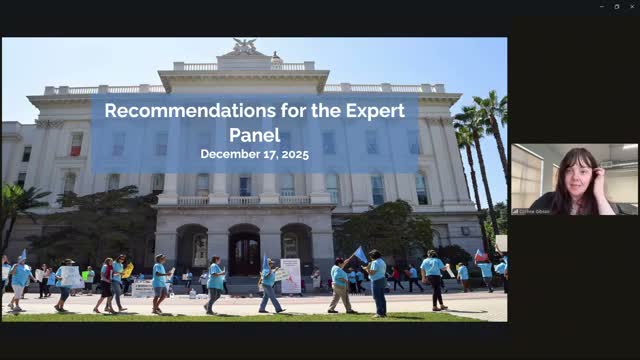
Summary
Community representatives described widespread nitrate contamination in small, majority‑Latino rural communities and urged the expert panel to recommend enforceable numeric limits and stronger protections alongside outreach and funding for affected areas.
Community leaders and environmental-justice advocates told the State Water Resources Control Board expert panel that numeric discharge limits are needed to protect drinking-water supplies in small, rural communities.
"We're asking the panel of experts to recommend limits so the board will put them in place," said Rosa Carrillo, a community representative from San Jerobo (Central Coast), describing families who have lost wells, increased healthcare burdens and the fear of running out of clean water for children and elders. Carrillo said more than 14,000 Central Coast residents currently live with nitrate-contaminated supplies and appealed for immediate action to protect vulnerable populations.
Advocates and lawyers framed the issue as one of environmental and racial justice. Corin Gibson, identified as an attorney attending with community groups, asked the panel to confirm whether current scientific evidence is sufficient to support numeric limits and to prioritize justice in drafting targets and enforcement timeframes.
Context and consequences: witnesses linked high nitrate concentrations to cardiovascular and birth-related health outcomes cited in recent studies and highlighted costs borne by households for bottled water, treatment and medical care; porterville's nitrate-removal project was offered as an illustration of high local capital costs.
What they asked for: testimony called for numeric interim and final limits, phased enforcement with incentives and outreach, simplified reporting and technical assistance for small and diversified farms, and clear data transparency so affected communities can assess program effectiveness.
Next procedural step: the panel will consider public and written comments during the posted comment windows and factor community input into the draft recommendations expected Feb. 26, 2026.