Get Full Government Meeting Transcripts, Videos, & Alerts Forever!
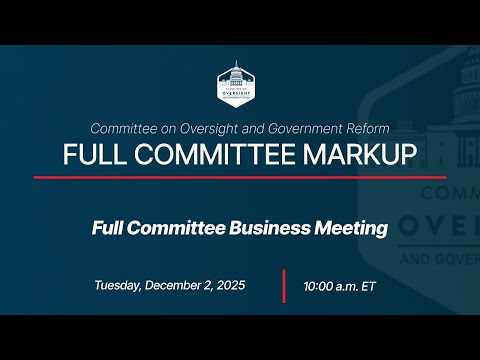
Committee advances 'Equals Act' to extend federal probationary periods, Democrats warn it could be weaponized
Summary
The Oversight Committee reported HR 5750, the Ensuring a Qualified Civil Service (Equals Act), after debate and a failed Lynch amendment that would have replaced the bill with a GAO study. Sponsors said two‑year probationary periods and affirmative certification improve accountability; Democrats said the change expands the period during which employees have limited due process and risks politicized purges.
The House Oversight and Reform Committee voted to favorably report HR 5750, the Ensuring a Qualified Civil Service Act (the Equals Act), following partisan debate and a failed amendment from Rep. Lynch to strike the underlying text and require a GAO study. The bill’s sponsor, Representative Gill, said the measure builds on prior GAO and Merit Systems Protection Board recommendations, would extend probationary periods from one year to two for most…
Already have an account? Log in
Subscribe to keep reading
Unlock the rest of this article — and every article on Citizen Portal.
- Unlimited articles
- AI-powered breakdowns of topics, speakers, decisions, and budgets
- Instant alerts when your location has a new meeting
- Follow topics and more locations
- 1,000 AI Insights / month, plus AI Chat