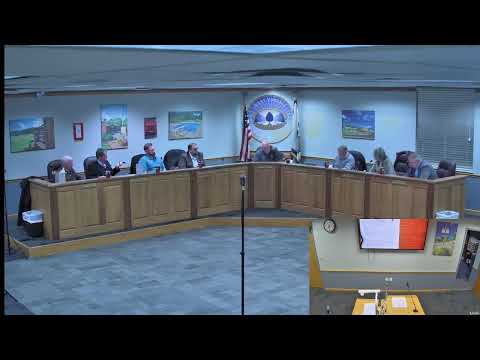
Vienna council approves police purchase using settlement funds after $66,000 amendment fails
Loading...
Summary
After a 4–3 defeat of an amendment to shift $66,000 to the general fund, the Vienna Common Council approved a resolution permitting a police purchase using the originally proposed funding; members debated enforcement versus treatment and asked two councilmembers to draft a comprehensive spending plan for opioid funds.
The Vienna Common Council approved a resolution permitting a police purchase funded as originally proposed after an amendment to reallocate $66,000 from the general fund failed 4–3.
Why it matters: The vote highlights tension on where limited opioid settlement dollars should go — toward law enforcement equipment or toward prevention and treatment programs — and prompted the council to ask for a short-term plan to guide long-term spending of opioid funds.
Council discussion focused on funding source and policy trade-offs. Speaker 2 opened debate by saying the purchase was “a legitimate use of it,” while acknowledging members may prefer other spending priorities. Speaker 4 moved to amend the motion to specify that $66,000 would come from the general fund; that amendment was seconded and put to a roll call that the presiding officer summarized as failing 4–3.
After the amendment failed, the council voted to approve the original resolution as submitted; the presiding speaker announced the motion carried 5–2.
Speakers debated the broader strategy for responding to opioid-related harms. Speaker 5 summarized existing programs in the community — naming drug court, Hope Center Ministries and Saint Joe’s Recovery Center among them — and said enforcement remains necessary to disrupt sellers while treatment services are needed for users. On law-enforcement tools, Speaker 5 said cameras “do help officers in the deterrents,” arguing they provide evidence that supports prosecution.
Following the votes, Speaker 2 asked councilmembers Tony and Tammy to draft “a comprehensive plan” identifying agencies and programs that could receive opioid funds, and offered to work with Jim on that plan. Speaker 2 framed the request as a way to ensure funds are spent before settlement money runs out.
What remains next: The council directed Tony and Tammy to prepare the plan; no timeline for completion was specified in the meeting record. The approved resolution allows the department to move forward under the funding approach that prevailed in the 5–2 vote.