
District presents attendance data and plan to curb chronic absenteeism
Get AI-powered insights, summaries, and transcripts
Subscribe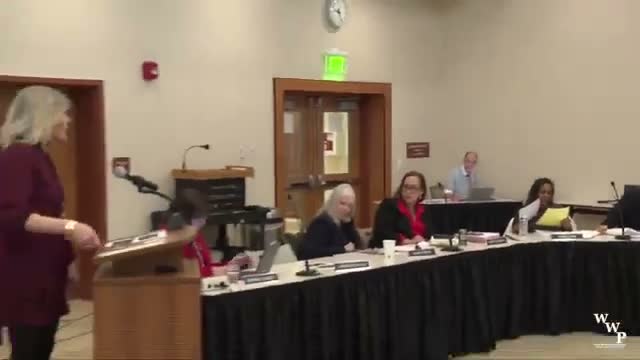
Summary
District staff defined chronic absenteeism as missing 10% or more of school days, reviewed recent declines after a 2023 policy update, and outlined next steps including personalized Genesis communications, counselor engagement and evaluation of extended‑absence practices.
Jessica Sincada, a district staff member presenting the attendance report, said chronic absenteeism "is when a student misses 10% or more of the days they are to be in school during a year," noting that for a 180‑day calendar this equates to 18 days. She said the district reports attendance through New Jersey SLED and uses Genesis, the student information system, to calculate course‑level credit and absences.
The presentation summarized trend data across elementary, middle and high schools and compared local rates to the state average. Sincada attributed declines in chronic absenteeism between the 2022–23 and 2023–24 school years partly to clearer district policy language (Policy 5200, adopted June 2023) and to normalized post‑COVID attendance patterns.
Board members pressed for operational details. Sincada said at the high school level "3 tardies equal an absence," and that missing more than 20 minutes of a class counts as an absence. She explained that warning letters are sent before students lose credit ("you lose credit after 14 absences" for a full‑year course, though timing varies by rotation) and that school‑sanctioned activities such as Model UN or music tours are coded as excused and do not count toward credit loss.
Sincada described steps the district will take: broaden use of Genesis messaging while increasing personalized follow‑up by counselors and case managers, track extended absences via a district Google form, and evaluate current practices to determine whether additional communications or processes (for example, warning letters at the K–5 level) should be implemented. She also described options for students to make up missed instructional time, such as focused in‑school sessions or after‑school tutorials, coordinated with building administrators.
The board accepted the presentation and committee reports recommended a resolution to adopt an action plan to improve attendance districtwide. The plan calls for clearer communications to families, earlier targeted interventions for students at risk of credit loss, and further review of how extended absences affect reported chronic absenteeism.
The board did not take a separate, formal policy vote on Policy 5200 at this meeting; committee materials note the policy was updated in June 2023.