Get Full Government Meeting Transcripts, Videos, & Alerts Forever!
Get email alerts on the Student Services topic
No spam. Unsubscribe anytime.
Superintendent and committee outline student-focused substance-use education and town coordination after recent tragedy
Summary
Superintendent John described trauma-informed, developmentally appropriate substance-use education across grades 4–12 and said the district will expand small-group learning and student voice; committee members reported cross-board coordination with the Board of Health, police and town officials on prevention and enforcement.
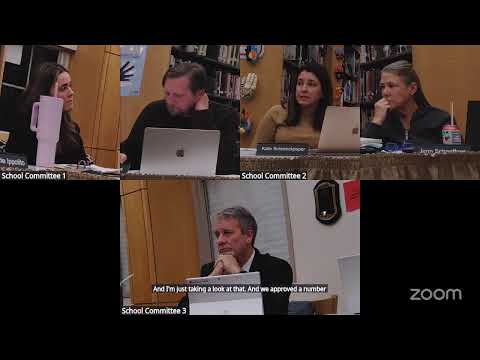
At the Nov. 18 meeting the Marblehead School Committee heard an extended update on the district’s approach to substance-use education and broader town coordination following a recent student death.
Superintendent John said the district uses developmentally appropriate, trauma-informed programming for grades 4–12, including small-group discussions, focused curricular lessons, outside speakers as appropriate and targeted work with the anti-discrimination and MAGIC student coalitions. “Marblehead Public Schools makes every effort to listen to students and understand the most effective ways to engage them in conversations about decision making and substance use,” he said.
Committee member Jen summarized cross-board outreach with the Board of Health, the police and other town organizations. She reported town bylaws were reviewed (including those governing serving alcohol to minors) and that historical citation data showed five house-party citations from 2009 to 2016 with none recorded since 2017. Jen and other members described ongoing work to coordinate parent education, counseling resources, and enforcement messaging and said the district would seek partnerships with community groups and the district attorney’s office for resources.
Committee members endorsed keeping the conversation active year-round rather than only after a tragedy, suggested re-establishing a spring parents’ briefing on senior-year risks, and encouraged continued collaboration with community counseling resources and clergy. Administration said it will return with a more succinct plan describing specific education steps, resource needs and timelines.