
Van Zandt County hears youth-diversion success story as participant prepares for military service
Get AI-powered insights, summaries, and transcripts
Subscribe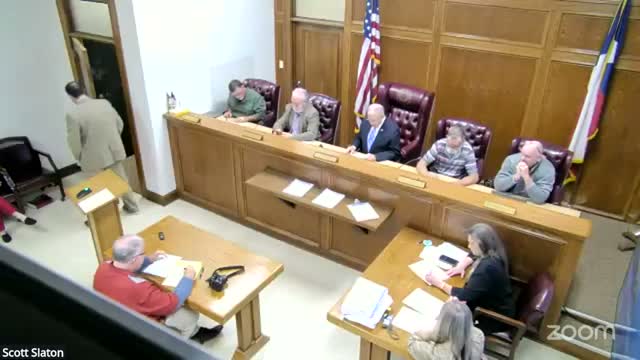
Summary
A county presentation highlighted a youth-diversion case in which a 17-year-old, Chris Perus, completed program requirements, cleared outstanding cases and is set to graduate and enter Army basic training; staff credited coordination among law enforcement, court staff and family.
Jennifer Pella presented a youth-diversion success story to the Van Zandt County Commissioners Court, telling commissioners that a youth identified as Chris had accumulated multiple charges earlier in the year but completed intensive diversion supports and is scheduled to graduate and enter the Army.
"Earlier this year, Chris was spiraling faster than any of us could keep up with," Pella said, describing how Chris accrued five separate charges in about six weeks and how she acted as a case manager across all outstanding matters. Pella told the court she worked with the district attorney to remand juvenile probation for pretrial intervention so it would not interfere with Chris's enlistment, conditional on his continued compliance.
Chris Perus addressed the court, identified himself as 17 and said he had worked to turn his life around. "I turned my life around," he said. He told commissioners he recovered lost school credits, attended Saturday and summer school, submitted to alcohol and drug testing voluntarily and is leaving for basic training in mid-January. "This program really does work, and I'm living proof of it," he said.
County officials thanked Pella and the collaborating partners — school supports, a resource officer, juvenile probation and Staff Sergeant Rogers — and emphasized the program's role in diverting eligible youths from formal juvenile-probation processes. The judge noted the program began in January and said its purpose is to reduce juvenile-probation caseloads by offering alternatives when appropriate.
No formal action was required; the presentation served to inform the court about program outcomes and local coordination among courts, law enforcement and family supports.