
Demographers tell East Central ISD to plan for major growth; up to 30,000 students projected in 10 years
Get AI-powered insights, summaries, and transcripts
Subscribe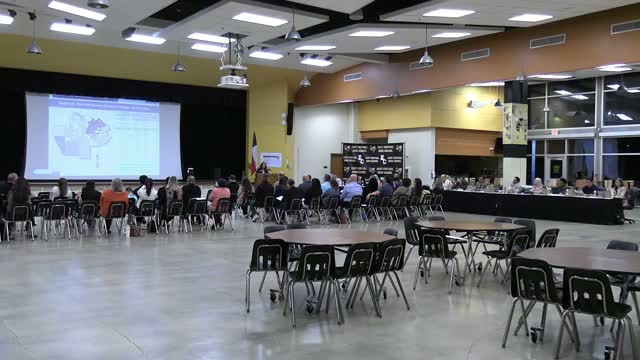
Summary
A consultant presented a 10-year demographic forecast showing rapid housing-driven growth in East Central ISD, reporting the district gained about 1,350 students in five years, with scenarios that could raise enrollment as high as 30,000; the presentation outlined a sequence of proposed new schools while stressing the board had not approved any plans.
A demographic presentation to the East Central ISD board outlined rapid, housing-driven enrollment growth across the district and proposed a long-range facilities sequencing that would add multiple new schools over the next decade.
"Over the past five years, East Central has gained 1,350 students," the demographic consultant said, citing address-level mapping and cohort analysis. The presenter said the surrounding population rose from roughly 55,000 to 85,000 (about 60% growth) and that recent housing construction has been disproportionately occupied by young families, producing more ECISD students per new home than expected.
The consultant walked trustees through a scenario-based 10-year forecast that, under current assumptions, could bring the district to about 30,000 students — roughly 2.5 times current enrollment — while cautioning that projections depend on changing assumptions. The presenter described three broad growth drivers: new housing construction, higher birth cohorts that will enter kindergarten, and charter-school activity that can immediately draw students from nearby campuses.
"Those new charter campuses can pull students from your schools instantly as soon as they open," the presenter warned, naming Mater Academy as a system that has been approved to expand and noting one campus could open as early as 2027 in the northern part of the metro area.
Using a 120% utilization threshold to flag overcrowding, the consultant mapped elementary, middle and high schools that would require relief in the projection period and sketched a phased rollout (examples included opening Victory next year; elementary No.10 in 2027–28; Oakcrest relief with elementary 11 in 2028–29; and future middle- and high-school openings). The presenter emphasized these were planning catchments and that "the board has not approved any of this."
The analysis also included operational details intended to inform planning: single-family homes in the district average about 0.35 students per home, kindergarten cohorts are expected to grow as recent birth rates translate into school enrollment, and different scenarios were presented based on faster or slower housing starts.
Board members received the presentation as an informational planning update; no facilities boundaries or construction authorizations were approved during the session. The board concluded its meeting after a procedural motion to adjourn; district staff continue to refine forecasts and will return with formal recommendations when appropriate.