Get Full Government Meeting Transcripts, Videos, & Alerts Forever!
Get email alerts on the Solar Reinvestment Zone topic
No spam. Unsubscribe anytime.
Mills County creates reinvestment zone for Blue Heron solar project; abatement debate to continue
Summary
Mills County commissioners voted 3–2 to create a reinvestment zone for a proposed solar project (variously named Blue Heron/Red River), enabling future talks about a tax abatement. Commissioners directed staff to produce abatement scenarios and consult the appraisal firm Pritchard & Abbott on depreciation schedules.
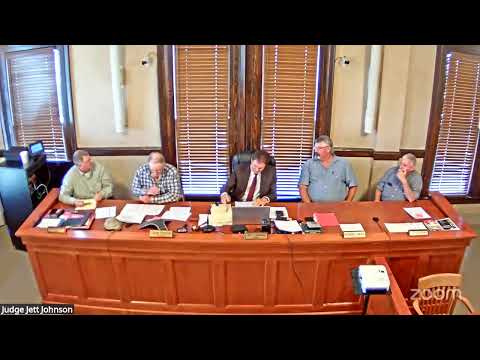
Mills County commissioners on Nov. 24 voted 3–2 to establish a reinvestment zone around a proposed large-scale solar project identified in the record as Blue Heron (also styled Red River/Blue Heron). The vote creates the geographic zone in which the county could negotiate a future tax abatement but does not itself grant any tax relief.
The commissioners’ vote followed a public hearing in which multiple residents urged caution about abatements and asked the county to verify the developer’s revenue and depreciation assumptions with an independent accountant. Karen Westland Francis, who said she owns property adjacent to the proposed project, asked commissioners to “narrow your thoughts down to a couple of scenarios” and to have “an independent third party accountant, CPA, calculate those numbers” to validate the developer’s abatement application.
Project representatives told the court the county stands to receive substantial tax revenue even with an abatement. A representative who identified a figure in the hearing said, “Mills County will get at least $17,400,000 in tax revenues from this project. Mullen ISD will receive almost $19,000,000,” and asked for county assistance to move a multi‑hundred‑million‑dollar project forward. The record shows varying project-value figures discussed in the meeting; commissioners did not adopt a definitive total valuation at this session.
During the debate, attorney Jeff Allen advised that creating a reinvestment zone would allow the county to negotiate an abatement but would not obligate the court to approve one. Commissioners discussed two main abatement structures: a pilot or payment‑in‑lieu (a fixed, contractual payment) and a percentage abatement tied to annual appraisals. Supporters said a negotiated pilot produces predictable receipts; opponents warned of long-term revenue swings and urged caution.
Commissioner Williams moved to create the reinvestment zone; the motion passed with three votes in favor and two opposed. The record indicates the presiding judge and Commissioner Head voted against the motion. The court asked staff to prepare comparative abatement scenarios and to consult Pritchard & Abbott, the appraisal resources referenced in the record, to identify the depreciation schedule the county’s appraisal district would likely use when the project is placed on the tax rolls.
Next steps set by the court include producing side‑by‑side abatement scenarios (pilot vs. percentage), obtaining the appraisal/depreciation schedule from Pritchard & Abbott, and posting any future abatement consideration per the required 30‑day public notice. Commissioners discussed scheduling follow‑up meetings and workshops to review the numbers before any formal action on an abatement.
The court’s action on the reinvestment zone does not itself change tax liabilities. Any abatement would require a separate, posted agenda item and subsequent action by the commissioners.