Get Full Government Meeting Transcripts, Videos, & Alerts Forever!
Get email alerts on the Land Use Development topic
No spam. Unsubscribe anytime.
Residents split as Town of Babylon hears plan for 100‑acre Bristol industrial park in Wyandanch
Summary
Hundreds of residents on Nov. 24 urged the Town of Babylon to reject or condition a proposed 100‑acre rezoning for a Bristol LLC industrial/technology park, citing traffic, air and water pollution, cemetery concerns and lack of tenant transparency; supporters said the project would create jobs and new tax revenue for Wyandanch.
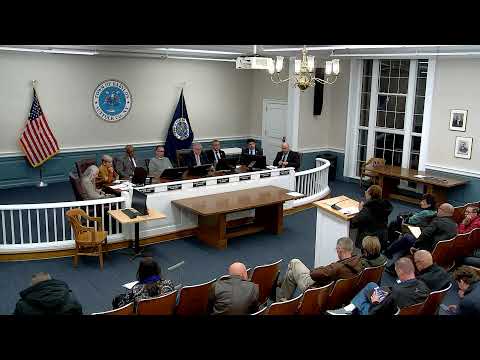
Supervisor Rich Schaeffer opened a public hearing Nov. 24 on a proposed code amendment to create a Planned Industrial Park District that would allow a 100‑acre development proposed by Bristol LLC, described in town filings as the Suffolk Technology Center or Suffolk Technology Park. The board did not vote; the hearing was closed with the decision reserved.
Opponents said the scale of the project — nine buildings totaling about 1,600,000 square feet with roughly 380 truck bays and about 2,000 parking spaces as discussed in public testimony — would overwhelm Little East Neck Road and nearby residential streets, harm air and water quality, and threaten local green space. Margaret Ramada, 20 Circle Drive, told the board the plan would “decimate our quality of life” with air pollution, noise and lost trees. Multiple speakers described trains and existing rush‑hour backups that already delay emergency vehicles; Kevin Key recounted waiting nine minutes blocked at a railroad crossing while ambulances were delayed.
Several residents raised environmental justice and public‑health concerns. Teresa Wallace urged the board to consider studies linking nitrogen dioxide and other diesel emissions to childhood asthma and other illnesses, and asked why the town appeared to rely on the developer’s impact materials rather than an independent traffic or environmental analysis. Thomas Christ and others said the proposed footprint overlaps or sits adjacent to sections of Greenlawn East (Pinelawn Memorial Park & Arboretum) that they described as neglected and urged any approval be conditioned on cemetery cleanup, access improvements and memorialization for reinterred veterans.
Supporters said the project could supply long‑sought tax revenue and jobs to Wyandanch. Leticia Walker, speaking for Unite, summarized an impact study accepted by the town that projected nearly 2,000 permanent jobs, millions in annual wages and more than $5 million in annual property tax revenue, with specific benefits allocated to the Wyandanch Union Free School District and local emergency services. Gerard Morris, who submitted a written letter, said the project would “deliver long‑term economic uplift” and infrastructure improvements, including sewer and utility upgrades the area lacks.
Speakers on both sides questioned transparency about tenants and uses. Several residents noted that Bristol had not identified prospective tenants and warned that vague zoning allowances ("light industrial," research and development, or other uses) could permit operations with large energy and water demands, such as data centers, which commenters said can stress utilities and generate diesel backup‑generator emissions. Ruthie Scheck, a Wheatley Heights resident, warned that the nine proposed buildings could be used as data centers and cited concerns about generator emissions and water use.
Supervisor Schaeffer accepted written statements and letters for the record from supporters and opponents, including a letter from the Building and Construction Trades Council in support and opposition letters from residents and civic groups. No action was taken; the board closed the hearing and reserved its decision.
What’s next: the Town Board will retain the public record and consider testimony, submitted materials and any required environmental or traffic analyses before making a decision. The hearing record includes requests from residents for an archeological or cemetery assessment, independent traffic study and clearer disclosure of proposed tenants and any potential tax abatement requests.