Get Full Government Meeting Transcripts, Videos, & Alerts Forever!
Get email alerts on the Zero Waste topic
No spam. Unsubscribe anytime.
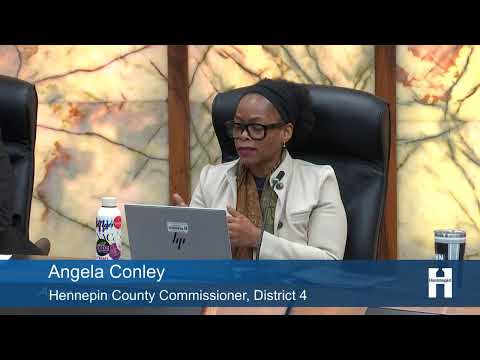
Hennepin County directs staff to study amendments to Ordinance 18 to accelerate 0-waste
Summary
The county board asked staff to evaluate amending Ordinance 18 (a county solid waste fee currently set at zero) to identify revenue options — especially from major waste producers — and report engagement options and recommendations by Q1 2026. Commissioners stressed protecting low-income residents and avoiding perverse incentives.
The Hennepin County Board on Dec. 2 directed county staff to evaluate amendments to Ordinance 18, the county’s solid-waste management fee ordinance, as a potential revenue source to accelerate 0-waste goals.
Commissioner Connolly, who sponsored the board action, said Ordinance 18 dates to 1995 and currently carries a fee set at zero. The proposal is a staff directive to analyze options that could shift the burden away from general property taxpayers and toward the county’s largest waste producers, develop a public engagement plan, and return options and proposed revenue uses by the end of the first quarter of 2026.
“Let’s look at our biggest waste producers,” Connolly said, describing the item as a way to generate revenue from existing ordinances rather than new taxes. She emphasized that staff should identify options that do not place undue burdens on residents with lower incomes or small businesses.
Commissioners across the dais supported the study but urged caution. Commissioner Edelson warned of passing costs to consumers and highlighted upcoming producer responsibility laws that could change the landscape. Commissioner Anderson and others asked for a risk assessment and emphasis on progressive collection methods tied to property tax types or other mechanisms.
The motion passed by voice vote. Staff were asked to return options that identify potential revenue, mitigate unintended impacts, and include an analysis of how revenues would be allocated to accelerate recycling, composting and other 0-waste programs.
Next steps: Administration staff will prepare an evaluation of potential ordinance amendments, including proposed public engagement and estimated fiscal impacts, to present back to the board in early 2026.