Get Full Government Meeting Transcripts, Videos, & Alerts Forever!
Get email alerts on the Court Docket Traffic Hardship topic
No spam. Unsubscribe anytime.
Judge in Providence Municipal Court dismisses or reduces traffic penalties after defendants cite medical and family hardships
Summary
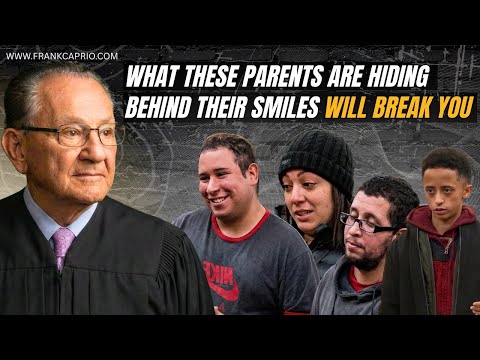
In a morning session at the Municipal Court of Providence, the judge dismissed or reduced penalties in several traffic cases after defendants described recent medical crises, caregiving duties and family hardship. A vehicle boot was released without payment and a juvenile on the autism spectrum spoke to the court.
At a Municipal Court of Providence session, the judge dismissed or reduced several traffic-related penalties after defendants described medical crises and caregiving responsibilities.
Leonardo Cruz told the court he had been hospitalized frequently and "diagnosed with the degenerative disease called Danan disease, which I was born with," and that he had undergone a heart transplant two years earlier. Felipe Cruz, who identified himself in the transcript as Leonardo’s older brother, described working two jobs and transporting family members to Tufts Medical Center in Boston. The judge said: "This is an absolutely compelling story," and ordered that "the city placed a boot on your vehicle … I'm gonna release the boot with no payment, and I'm gonna dismiss the tickets." The judge also referenced $100 associated with the boot and original tickets totaling about $330 with penalties that had doubled in the docket discussion.
In a separate matter, a speaker identified in the transcript as Dallas explained that her children had been using the vehicle and that she had missed mailed notices because she recently had surgery. The judge reviewed video of the red‑light event, noted a sign had been installed two days before the citation and dismissed that red‑light ticket. The judge dismissed an overnight parking ticket as well but directed that $85 be paid for the red‑light matter, telling the defendant to have "both your kids pay $42.50 each."
In another case, Lordales Rosario (appearing for Jorge) described an incident in front of her daughter’s school on June 19 and said her sons have autism and attend Meeting Street; she explained she rushed to intervene when one son had an outburst. The judge and courtroom observers responded with sympathy and no formal disposition was recorded in the transcript for that docket entry.
A final case involved a 12‑year‑old who identified himself as Arianne and spoke about being on the autism spectrum and attending the Providence Center School. The judge praised the child’s presentation, shook his hand on the bench and dismissed the case.
The session repeatedly framed these matters as more than routine traffic enforcement, with the judge and family members emphasizing medical need, caregiving burdens and educational placements as the context for leniency. The court record in the transcript shows three clear formal dispositions: the release of a vehicle boot with no payment and dismissal of tickets in the Leonardo Cruz matter; dismissal of a red‑light and overnight parking ticket but an $85 assessment split between family members in the Dallas matter; and dismissal in the Arianne matter. One case (the Rosario/Jorge matter) concluded without an explicit docketed disposition in the portion of the transcript provided.
The court referenced community support as well: the judge mentioned donations collected as the "Philomena Fund" to assist special‑needs families, and a donor named Leonard from Boston was cited as having sent funds and a letter.
Next steps: the transcript ends with the judge concluding the docket entries included here; no further hearings or scheduled follow‑ups appear in the provided text.