Get Full Government Meeting Transcripts, Videos, & Alerts Forever!
Get email alerts on the Commission Procedures topic
No spam. Unsubscribe anytime.
Historic Preservation Commission debates code changes, conflict rules and site-visit limits; tables 62 High Street
Summary
At its Dec. 11 meeting the Historic Preservation Commission agreed that staff will draft proposed code amendments and return them for commission review, debated conflict-of-interest standards and the economic-hardship exception, clarified rules on site visits and evidence, and tabled a Certificate of Appropriateness for 62 High Street to the Jan. 8 meeting.
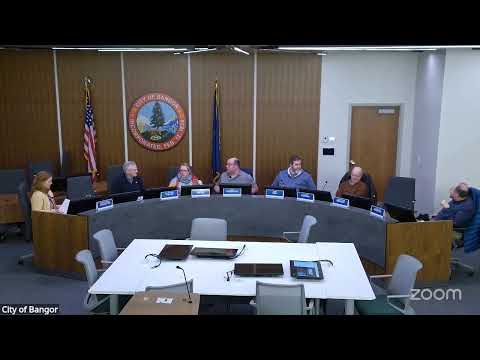
The Historic Preservation Commission on Dec. 11 adopted findings for 198 Broadway and approved past meeting minutes, then spent most of its meeting discussing how it reviews and changes local preservation rules, how conflict-of-interest determinations are made, and what counts as acceptable evidence for decisions.
Chair Edmund Shrineske said staff will prepare draft code revisions from the October workshop for the commission to review before any recommendation goes to city council. He cautioned the commission to preserve its Certified Local Government status and related funding while noting that changes should be deliberate: “I don't want to throw the baby out with the bathwater,” he said.
Why it matters: the commission's approach determines when homeowners must follow strict historic standards and when the body may allow exceptions — decisions that affect restoration costs, contractor requirements and the appeals path to the board of appeals and city council.
On procedure, staff and commissioners described a multi-step process: staff will prepare drafts based on workshop input, bring them back to the commission for edits, and then forward recommendations to council. Commissioners discussed holding a second monthly meeting dedicated to code review so routine certificate work does not crowd policy work.
On conflicts of interest, associate member Peter Keebler said he had been ruled to have a conflict on a prior application even though he had discussed the matter with legal counsel who told him the counsel did not see a conflict. Keebler pressed for clearer standards and for legal staff to attend discussions about contested conflicts. Chair Shrineske responded that the commission — not counsel alone — makes final determinations and supported additional training: the group agreed to include city-attorney briefings in annual orientation and to ask staff to try again to secure counsel when conflict questions arise.
The commission also debated the economic-hardship or "exceptional circumstances" standard that has allowed some cases to proceed despite failing other criteria. Keebler cited the recent Farren decision as an example and asked whether a numeric financial threshold might reduce ambiguity; staff and other members warned that a rigid number could eliminate the commission's discretion and that in some recent cases the pivotal factor was lack of local skilled tradespeople rather than pure return-on-investment.
Several members described long lead times and high costs for specialized work such as slate roofing. Advisory consultant Mike Pullen said the commission must weigh the availability of local trades and the quality of evidence presented when deciding exceptions.
Members clarified rules on site visits and evidence: commissioners may observe properties from public rights-of-way but may not conduct private, unannounced inspections that would create unequal access to information. A formal site visit must be publicly noticed. Staff noted the commission has access to state architectural-survey (KARMA) forms and can include objective staff photos or require applicants to supply standardized neighborhood and feature photographs.
Before adjourning the commission voted to table the Certificate of Appropriateness for 62 High Street to the Jan. 8 regular meeting. Commissioner Nathaniel King moved to table; the roll-call vote recorded four yes votes (Liam Reardon, Nathaniel King, Rebecca Krepke and Chair Edmund Shrineske) and the motion passed.
Next steps: staff will draft proposed code revisions incorporating workshop feedback and bring them back for commissioner review and a future public workshop; the 62 High Street item will return Jan. 8. The commission also agreed to schedule attorney briefings during orientation and to refine applicant guidance on the photographic and documentary material required for reviews.