
District audit returns clean opinion; Saline Area Schools posts $22.4 million fund balance
Get AI-powered insights, summaries, and transcripts
Subscribe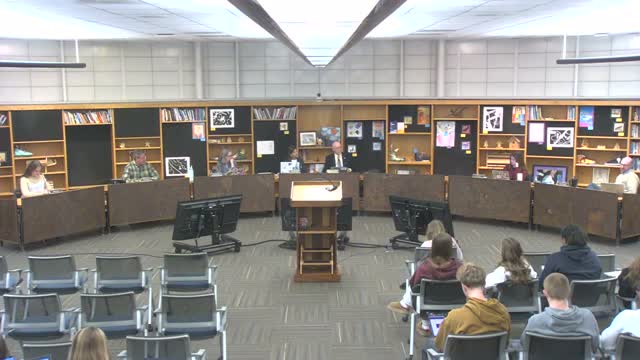
Summary
Independent auditors gave Saline Area Schools a clean (unqualified) opinion for the fiscal year ended June 30, 2025, reporting roughly $36 million in assets, a $22.4 million fund balance and a year‑end surplus of about $4.9 million. The board accepted the audit at its Nov. 11 meeting.
Jeff Higgins, a partner at Plante Moran, told the Saline Area Schools Board of Education on Nov. 11 that the independent audit for the year ended June 30, 2025, resulted in an unqualified — or “clean” — opinion on the district’s financial statements. “As a result of our processes and procedures, we’ve rendered what’s called an unqualified or what’s also known as a clean opinion on the district’s financial statements,” Higgins said.
Higgins summarized key general‑fund figures as of June 30, 2025: total assets of about $36,000,000, receivables of roughly $10,000,000 (largely state aid due in July and August), accrued payroll of about $8,400,000, and a fund balance of approximately $22,400,000. He said total general‑fund revenue was roughly $78,600,000 and total expenditures about $73,900,000, which produced a positive addition to fund balance of about $4,900,000 for the year.
The auditor noted the composition of revenue: approximately $54,000,000 (about 70%) came from state sources driven by the foundation allowance, which Higgins cited as $9,608 per pupil for the year and said the district enrollment was just over 4,600 students. He also reported federal revenue and local property tax revenue totals and said roughly $64,000,000 — about 87% of total expenditures — went to salaries and benefits.
Board members asked for clarifications about tax abatements and comparisons to nearby districts. On abatements, Higgins said he was not aware of any current abatements in the district’s capture area. Regarding comparative expenditure percentages, Higgins said he did not have a direct, contemporaneous comparison to nearby Washtenaw County districts available at the meeting but that historically the district has been on par with similar districts.
Members also pressed on retirement and post‑employment benefit reporting. Higgins explained the distinction between the state retirement program and the OPEB (other post‑employment benefits) pool administered at the state level, noting the retiree plan remains underfunded statewide while the OPEB pool had moved into an overfunded position in recent reporting — but he emphasized local districts have limited control over those state‑administered rates and pools.
After the presentation and Q&A, the board voted by voice to accept the audit report as presented by assistant superintendent Miranda Owsley. The board chair thanked district business office staff for their preparation and noted the audit process is lengthy and rigorous.