Council approves 405‑acre 'District 16' master plan to follow Highway 16 specific area plan
Loading...
Summary
Council approved annexation and master‑plan zoning for a 405‑acre mixed‑use development along Highway 16 that mirrors the city’s State Highway 16 specific area plan. Developers pledged open space, pedestrian connections and phased infrastructure timed to the state’s Highway 16 extension; residents voiced traffic and school‑capacity concerns.
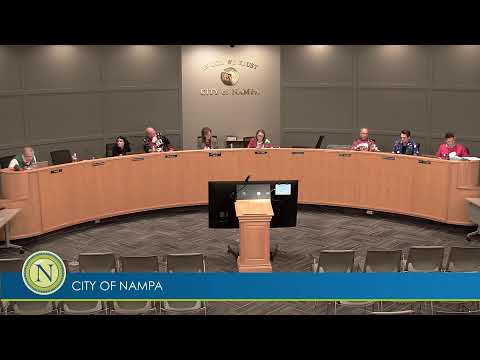
The City Council granted initial annexation, zoning and master‑plan community approval Thursday for "District 16," a 405‑acre mixed‑use development aligned with the city’s Highway 16 corridor plan. The developer presented a conceptual master plan that assigns zoning consistent with the adopted specific area plan — RS‑4 (single‑family), RMH (multifamily residential), BC (community business) and IP (industrial park) — and proposes a mix of housing types, neighborhood commercial frontage along Eustic Road, industrial park acreage and roughly 15% qualified open space across the project.
Applicant teams told the council they volunteered enhanced design guidelines and agreed to commit to on‑site amenities including parks, pathways, sports courts and a pedestrian underpass to connect trails across 10‑Mile Creek and toward planned regional corridors. Developers also described a phased infrastructure plan tied to sewer and road improvements; the city and the applicants said Highway 16 extension work and Eustic Road widening are expected to be substantially complete by 2027 and that those improvements are a prerequisite for major buildout.
Council members and staff emphasized that future preliminary plats and project phases will require separate traffic‑impact studies, detailed utility plans and design‑review submittals to secure building permits. Several nearby residents and property owners spoke at the hearing. Supporters described needed housing supply, jobs and gateway commercial opportunities for the city; skeptics raised concerns about traffic capacity on Star, Ustick and local two‑lane country roads, potential school‑district impacts and coordination of multiple simultaneous infrastructure projects.
Staff said the development team has committed to funding contributions for sewer trunk lines and to coordinate traffic mitigations required by engineering review. The master plan includes an industrial park area where the applicant requested a limited adjustment to landscaping bulk requirements (an allowable master‑plan exception) to preserve commercial frontage and maximize future investment; staff and council framed that as a narrowly scoped design flexibility tied to specific standards in the development agreement.
Council voted to approve the annexation, zoning and master‑plan community with recommended findings and conditions (motion carried by roll call). Several council members asked staff to ensure the development agreement includes specific transition standards for lots abutting existing large‑lot properties, and urged the applicant to coordinate early with school districts and transportation agencies about timing and impact mitigation.
Next steps: the developer will return with preliminary plats and design‑review packets for each phase; those submittals must include the traffic and utility analyses staff referenced before construction can proceed.