Nampa warns of failing culverts along Elijah Drain; city previews $1M budget increase for repairs
Loading...
Summary
Public works officials told the City Council that dozens of culvert and crossing structures on Elijah Drain are aging or uninspected, with several now in critical condition. Staff estimated emergency repairs ranging from about $550,000 to $1.4 million per site and said routine funding must double to avoid more costly emergencies.
Nampa public works staff on Thursday described an urgent repair backlog in the city’s drainage network, focusing on 40 crossings along Elijah Drain that include both culverts and bridges. The department reported inspections showing multiple structures in fair to critical condition and several sites already failing or requiring emergency work.
Public Works said the city inspects nearly 300 crossings annually and uses outside consultants to evaluate higher‑risk structures. Of the 40 crossings along Elijah Drain, 26 are inspected each year; 11 have not yet been inspected and the rest show a mix of conditions. The department said failures can trigger roadway undermining, utility interruptions and costly emergency repairs.
Officials walked council members through recent local emergencies and inspections as examples. They noted a 2017 flooding incident at Midway that flooded about 20 homes and cost roughly $1 million to fix. More recently, a culvert at 12th Avenue and Dewey — part of a Federal Highway System crossing maintained by the Idaho Transportation Department — was classified as critical in 2022 and is under emergency repair, with ITD reporting costs near $1.4 million. Another site at Pine and Lincoln required underwater inspection and showed 20% wall thinning over 13 years; public works estimated the repair at about $550,000.
"We normally see a planned project cost about 60% of an emergency repair for a similar item," the department said, noting emergency closures, undermined roadways and service interruptions add non‑monetary costs to neighborhoods.
To address the backlog, staff told council that the annual culvert/bridge replacement budget — historically $400,000–$500,000 — is insufficient. The department recommended increasing dedicated funding to roughly $1,000,000 per year for the next few years to catch up on the backlog for Elijah Drain alone; that figure does not include other city crossings or irrigation‑district obligations. Staff also described smaller, targeted preservation treatments such as lining culverts and expanding internal underwater inspection capacity with newly purchased camera equipment.
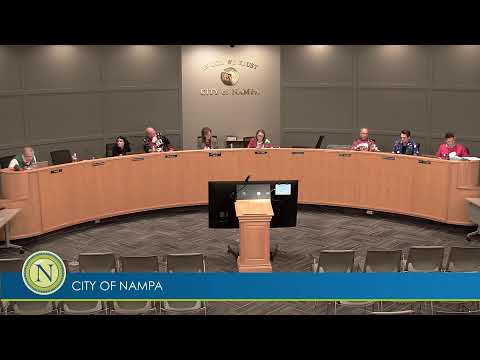
Council members pressed staff for a prioritized, data‑driven plan — asking which crossings would be repaired first and whether a multi‑year financial forecast could be returned to the council. Public works responded it would provide a prioritization report and noted some emergency requests would come back as budget amendments. The council received the presentation as a preview of the FY‑26 budget discussion and asked staff to return with detailed cost estimates and timelines.
The most immediate takeaways: several crossings are already in poor or critical condition, emergency replacement can cost several hundred thousand to over a million dollars per site, and staff wants to raise yearly maintenance funding to reduce future emergency spending and safety risks.