
RSU 5 life-skills ed techs describe dangerous work and retention strain; board hears pay and staffing concerns
Get AI-powered insights, summaries, and transcripts
Subscribe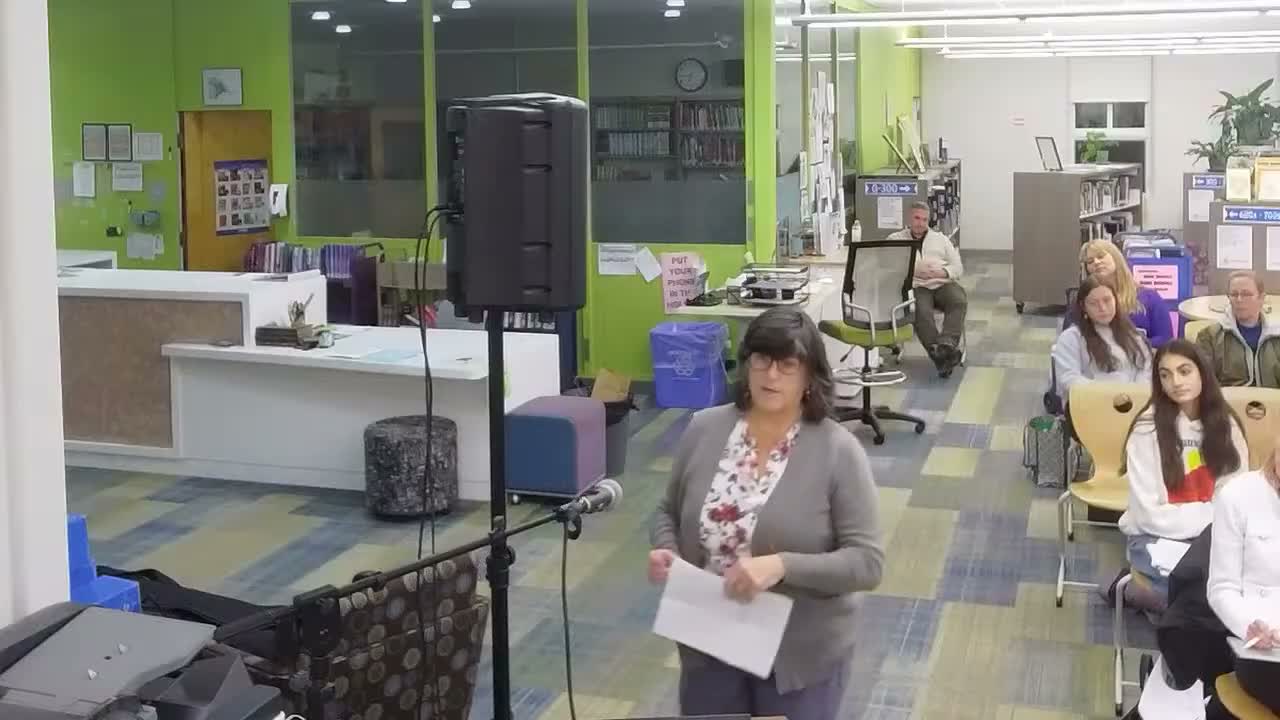
Summary
Life-skills ed tech Linda Farwell and special-education director described daily physical demands, high turnover, and recruitment challenges; district leaders said all students currently receive required services but multiple ed tech openings remain and compensatory measures may be needed.
At the RSU 5 board meeting on Dec. 10, a Moore Street School life-skills ed tech described daily risks and high turnover in programs serving students with significant needs and urged the board to consider a pay differential to recruit and retain staff.
Linda Farwell said she endures physical incidents regularly in the life-skills room and that the work leaves little to no downtime during the school day. She asked negotiators and the superintendent to approve "$2 or more an hour" for ed techs in the Moore Street life-skills program, citing higher pay in nearby districts. Farwell gave current pay examples: EdTech 1/2 at $21.40 an hour, a full-time substitute at $23 an hour, and an EdTech 3 at $22.69 an hour.
Assistant/Director Alicia, who oversees special education, described system changes intended to build capacity: behavior skills labs at Durham Community School, Moore Street and Mass Landing; a shared Google resource folder for consistent special-education documentation; biweekly PLCs and weekly leadership meetings among IEP coordinators, BCBA and psychologists; and ongoing coaching and PD. Alicia said she has interviewed at least 10–12 candidates this school year but has been unable to hire ed techs for long-term roles, leaving three current openings at Moore Street and chronic vacancies across the district.
Alicia told the board the district continues to deliver IEP services; when services cannot be provided on schedule the staff tracks and will provide compensatory service time when possible. Board members acknowledged the problem is widespread across districts and discussed pay and non‑financial retention strategies; no immediate salary decision was made.
Next steps: the special-education director will continue outreach to neighboring districts for best practices, track compensatory services, and the board will consider staffing needs in upcoming budget discussions.