Carmel Unified board adopts first interim budget with positive certification
Summary
Chief Business Official Yvonne Perez presented the district's first interim budget showing a projected beginning fund balance of $23.0M, projected revenues of about $81.4M and a combined ending fund balance projected at $23.8M; the board adopted the report with a positive certification.
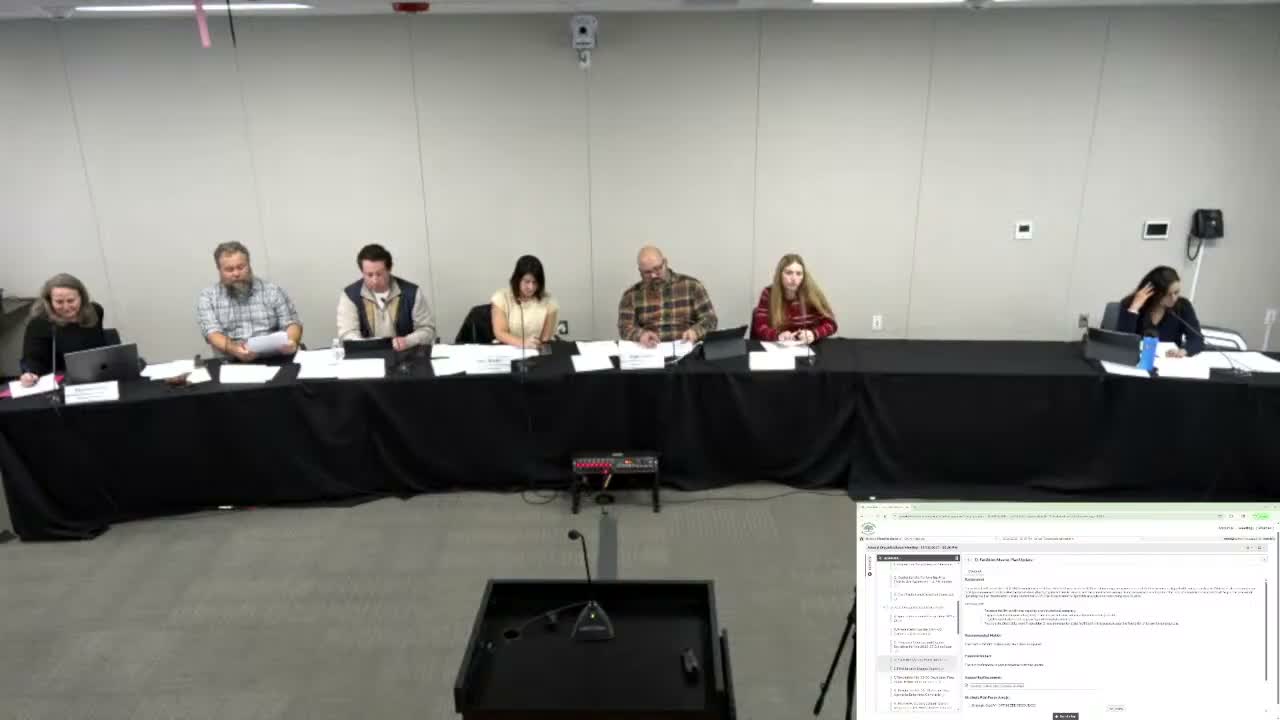
Carmel Unified's board unanimously adopted the district's first interim budget report and issued a "positive certification," CBO Yvonne Perez reported during the Dec. meeting.
Perez told trustees the district began the fiscal year with a booked beginning fund balance of $23,000,001.88 and projected revenues of approximately $81,400,000. She identified transfers and contributions totaling roughly $13,000,000, including a special-education contribution of about $9,200,000 and transfers to child development, cafeteria and OPEB funds of roughly $1,800,000.
Perez said the district budget shows a modest net increase before transfers to facilities and noted several adjustments since adoption of the operating budget: newly added positions (additional instructional paraprofessionals and a psychologist to start in January) and updated revenue estimates. She warned trustees about cash timing: although the books show a $23.8 million ending fund balance at first interim, cash on hand can dip seasonally (she projected a cash low of about $2,000,000 in the December window before property-tax receipts).
Perez summarized multi-year projections and statutory benefit rates used in planning and said salaries and benefits represent approximately $70.4 million (about 80.35%) of the combined general fund expenditures. Trustees discussed property-tax volatility for a basic-aid district and the district's conservative reserves (board policy requires a larger reserve than the state minimum). After discussion, the board voted unanimously to adopt the first interim budget with a positive certification.
Separately, Perez presented annual administrative resolutions including a procurement signature limit set at $114,800 and a standard designation of authorized agents; the board approved those resolutions by roll call vote.