
Carmel Unified reports gains for students with disabilities, outlines staffing and program expansions
Get AI-powered insights, summaries, and transcripts
Subscribe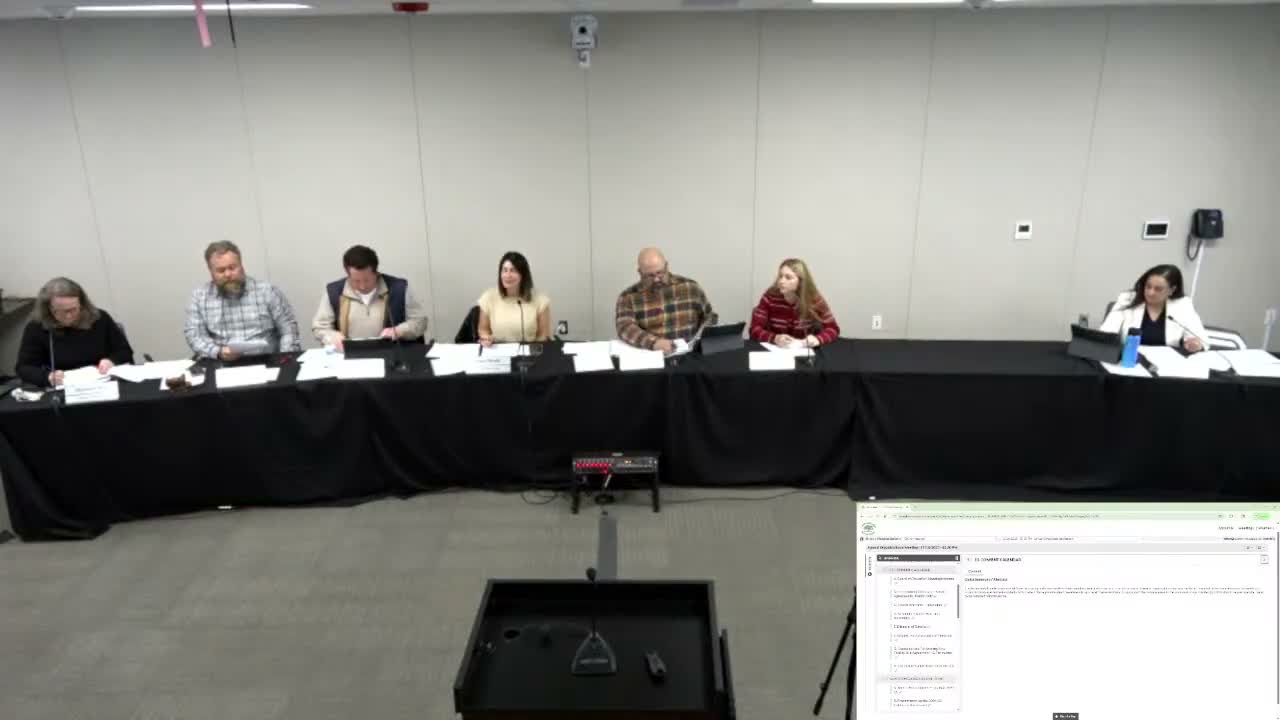
Summary
District special-education leaders told the school board the program shows rising enrollment, new in-district placements and improved ELA outcomes, while urging that staffing and individualized assessments remain priorities.
Carmel Unified School District presented a midyear update on special education on the district's Dec. organizational meeting night, highlighting enrollment trends, staffing changes and academic gains for students with disabilities.
Director of Special Education Steve Gonzales and program specialist/school psychologist Julie Ramirez told the board the district's special-education enrollment has risen since 2017 and that pending assessments indicate the caseload will likely be "above the 300 mark, similar to last year around 340." Gonzales said the district continues to deliver services across a continuum—from general education with related services to special day classes and partnerships with nonpublic schools when needed.
Gonzales outlined the service-delivery staffing picture, noting growth in special-education teachers, paraeducators and newly added mental-health clinicians. "Most of our allocation is with special education teachers and also our special education paraeducators," he said. Ramirez described the Learning Center program for TK–5 learners with significant needs: "They're able to be in a general education class be fully included with modified or accommodated curriculum and access to educational benefit and then get all of their related services, aligned and coordinated by one case manager."
Trustees pressed staff on procedural issues. The board clarified that formal re-evaluations occur every three years and that teams may request an IEP meeting and assessment to consider a move to a less-restrictive placement. Ramirez said intensive individualized supports are determined through a specialized circumstance instructional assessment (SCIA), which includes multiple observations and staff and family interviews.
Several trustees commended the inclusive practices and flagged the need to monitor FTEs at school sites. Trustee Jake Odello asked whether there are enough aides across sites; Gonzales said those decisions depend on individualized assessments and can change with student movement. Student board member Juliet Norman and others praised integration efforts, including unified or adapted PE and special day classes that allow greater participation in school activities.
The presentation emphasized outcomes: district leaders said state test results show substantial local gains for students with disabilities in English language arts, which staff attributed to inclusive practices, alignment across curriculum and instruction teams, and expanded behavioral and mental health supports. The item was informational only; no board action was required.