Get Full Government Meeting Transcripts, Videos, & Alerts Forever!
Get email alerts on the State Legislation topic
No spam. Unsubscribe anytime.
Xenia council adopts positions on two state bills: opposes HB503, endorses SB307
Summary
Council passed a resolution opposing House Bill 503 (concerns about home‑rule intrusion on local tax credits) and introduced/approved a resolution endorsing Senate Bill 307 to allow TIF use for public safety infrastructure; council limited distribution of the HB503 resolution to the city's two state representatives.
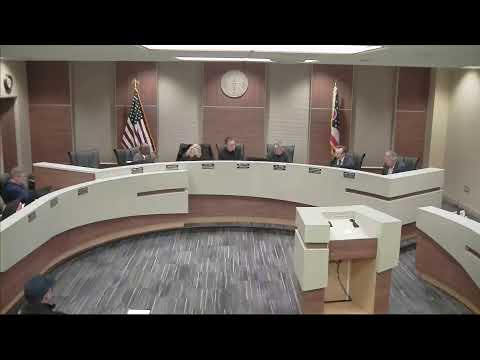
Xenia City Council took formal positions on two bills pending in the Ohio legislature on Nov. 25.
Opposition to HB503: City counsel presented Resolution 2025‑62 opposing House Bill 503, which would change local income‑tax reciprocity/credit rules; staff argued the bill (as introduced) would be another incursion on municipal home rule. Council noted the committee had recently removed a retroactivity provision and adjusted language about increasing versus decreasing credits; after discussion council approved sending the resolution only to the city’s two state representatives (Dean and Taylor) rather than broader distribution to committee chairs, and the resolution passed on roll call.
Support for SB307: Council also introduced and approved a resolution endorsing Senate Bill 307, which would allow tax increment financing (TIF) to be used for public safety infrastructure. Staff said SB307 would not by itself provide all the funding for, for example, a new fire station but would expand local financing options. Council approved the introduction and roll call vote in support of the resolution and agreed to forward the endorsement to legislative contacts.
Council members discussed the political considerations of sending a critical resolution to the bill sponsor (one council member said they preferred not to send an oppositional letter directly to the chair given future budget requests), and some members encouraged individual outreach to state representatives as well.