
Parent and community members urge DeWitt board to address treatment of neurodivergent students; superintendent outlines steps
Get AI-powered insights, summaries, and transcripts
Subscribe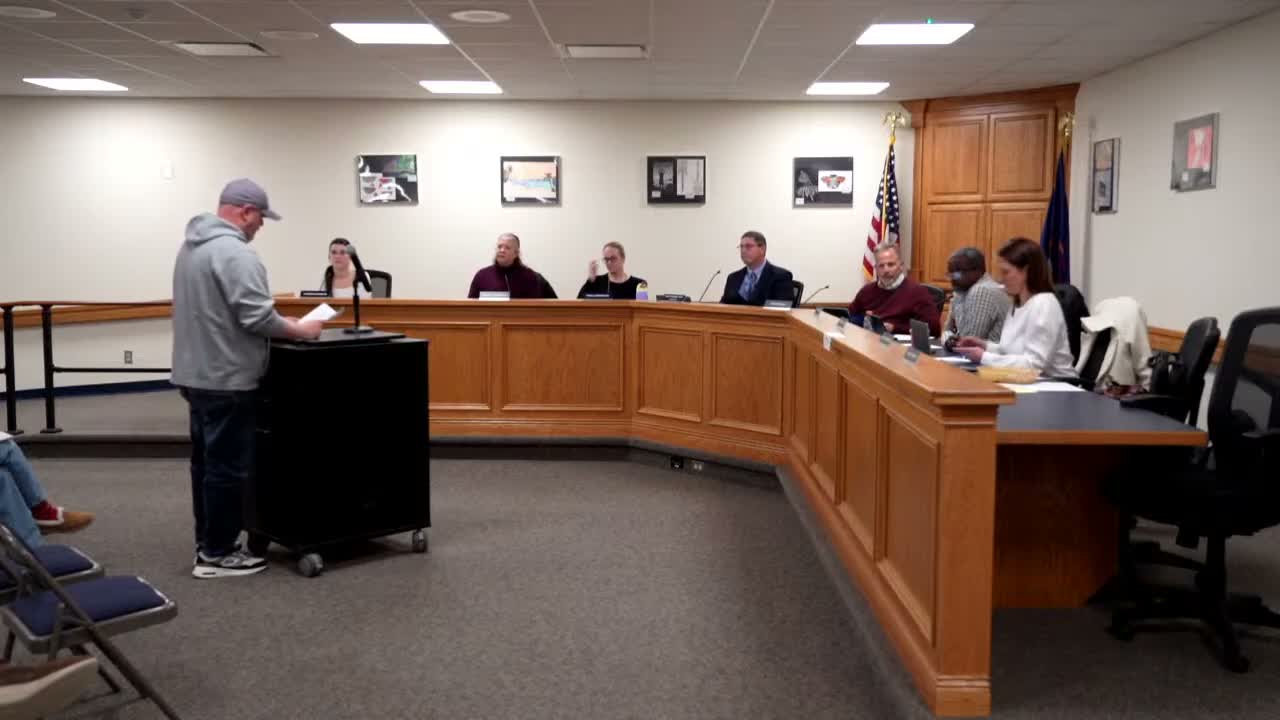
Summary
A public commenter accused the district of systemic mistreatment of neurodivergent students; Superintendent Kevin Robidick and board members described existing universal accommodations, added EI classrooms and paraprofessional training and committed to follow up on visibility and implementation of supports.
At the Dec. 8 meeting of the DeWitt Public Schools Board of Education, a parent and community member urged the board to recognize and address what he called systemic discrimination against neurodivergent students.
"A pattern that has left neurodivergent students, our artistic students, our ADHD students, our students with learning differences systematically overlooked, misunderstood, and in many cases, discriminated against," said public commenter Steve Shaffer, who asked the board to "take real steps towards dismantling" the pattern and called for legal compliance and dignity for affected students.
Superintendent Kevin Robidick responded by outlining district efforts. Robidick said the district approved universal accommodations for K–5 and 6–12 last June, added some EI (emotionally impaired) classrooms, reorganized staff without adding permanent headcount in some cases, and provided paraprofessional boot camps and community‑based opportunities to support students. He described IEP teams and building principals as the primary operational mechanism for individual student supports and acknowledged the district must continue to improve communication and professional development for staff.
Board members sought specifics about how accommodations are made visible to students and teachers. Questions included whether universal accommodations appear in high‑school syllabi, whether they are included in the student handbook, and whether Infinite Campus notifications could be used for greater awareness. Board members also encouraged examining best practices from other districts.
Robidick committed to follow‑up: staff will review placement of accommodation information (handbook, syllabus, orientation materials) and consider additional professional development and communication methods to make supports more visible and easier for students to access.
No formal findings or corrective actions were recorded at the meeting; the board discussed next steps but did not adopt specific new policies during the session.