Get Full Government Meeting Transcripts, Videos, & Alerts Forever!
Get email alerts on the School Budget topic
No spam. Unsubscribe anytime.
Derry budget driven by salaries, Pinkerton tuition and special-education costs; committee asks for a $200,000-over-default target
Summary
Superintendent Michael Flynn told the fiscal advisory committee that salaries/benefits and Pinkerton tuition account for the bulk of proposed increases. After discussing volatility in Pinkerton billing and costly out-of-district special-education placements, the committee asked administration to return with a budget targeted about $200,000 over default.
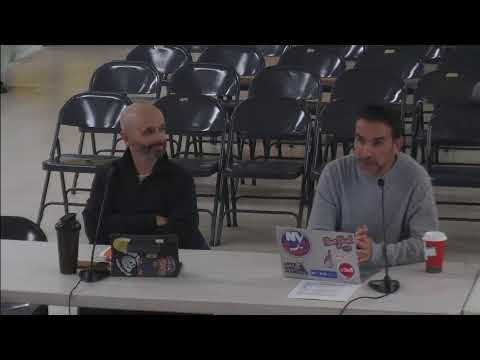
Superintendent Michael Flynn told the Derry Cooperative School District fiscal advisory committee on Nov. 4 that most of the district’s proposed budget increase is driven by salaries, benefits and tuition for high-school students attending Pinkerton.
Flynn said the district’s salary and benefits line covers roughly 600 employees and that the teachers’ contract approved by voters is embedded in that total. “The health-rate increase is at 7.4%,” he said, adding that dental increased about 4% and that surrounding districts saw much higher spikes.
The superintendent flagged tuition to Pinkerton as another major driver. “We are upside down right now in Pinkerton after the first bill,” Flynn said, referring to the October billing that initially put the district roughly $700,000 over projection. Administration and the business office expect that number to change as students unenroll and Pinkerton issues credits between the October, February and April billings.
Flynn also warned the committee about special-education costs. He said the district faces an anticipated placement change that would carry “roughly $150,000 per placement,” and that the administration is preparing a detailed special-education handout and FAQs for the board and public.
To reduce pressure on the operating budget, Flynn said the administration removed some long-term capital projects from the operating request and is pursuing a separate capital-improvement warrant or a revolving maintenance trust that voters can approve. He described the change as a way to “separate” one-time or long-term facility spending from the annual operating budget.
Committee members pressed for levers the administration could use to lower the proposed increase. Jane Smart, the business administrator, walked the group through an enrollment-driven default calculation and explained how Pinkerton billing timing affects the town’s default budget number. Committee members and administration discussed alternatives including trimming supplies, reviewing staffing during attrition, evaluating transportation efficiencies and adding a float teacher rather than a permanent hire.
After discussion, the fiscal advisory committee asked the administration to return in December with updated Pinkerton rates and the state adequacy number and with a version of the budget that would be about $200,000 over default so voters would have a middle option. The administration said it would prepare that scenario and circulate updated figures as soon as Pinkerton and adequacy numbers are available.
The committee did not take a formal vote on party lines; instead members expressed preferences in a round-robin discussion. Several members said a modest reduction from the initial proposed increase would be more palatable to voters, while others said the administration’s proposed number could be defended if the superintendent and business office can clearly explain what would be lost under default or deeper cuts.
The administration said it will provide the committee with the revised budget, supporting line-item detail and enrollment updates at the next meeting. The committee scheduled a December meeting to review the updated figures before the board’s January warrant process.