
Georgia DFACS warns of $85M shortfall as providers report halted services and layoffs
Get AI-powered insights, summaries, and transcripts
Subscribe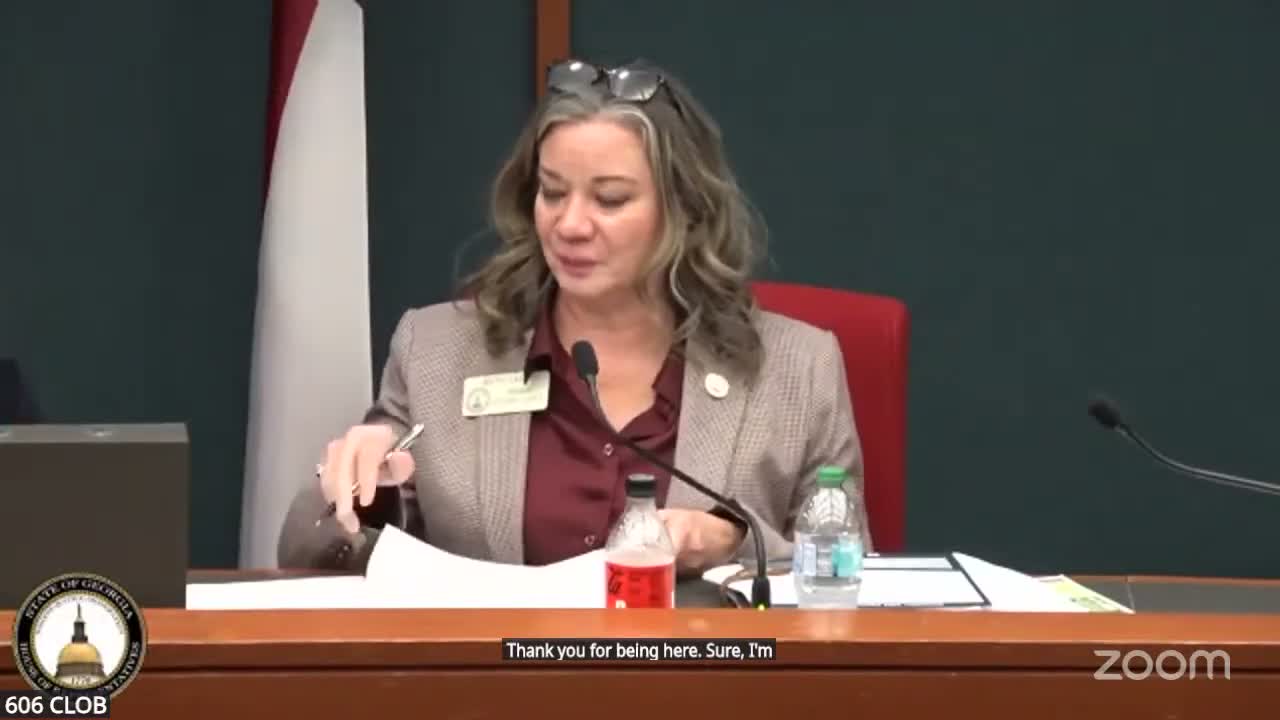
Summary
State Department of Human Services Commissioner Candace Brose told lawmakers a projected state-funds shortfall of roughly $85 million has forced the agency to pause or centralize authorizations for many delivered services. Providers at a joint appropriations/judiciary-juvenile hearing said suspensions of behavioral aides, transportation and visitation support have crippled case progress and led to layoffs and service cutoffs.
The Georgia Department of Human Services and its child welfare arm, DFACS, told a joint House appropriations and judiciary-juvenile subcommittee on Dec. 18 that a sudden combination of federal funding disruptions, rapidly rising costs for high-acuity placements and dwindling provider capacity produced an urgent state-funds gap.
"I don't have any money," Commissioner Candace Brose said, describing a projected state-funds deficit that the department estimated at roughly $85 million. Brose told the committee her office had tightened authorization processes, curtailed transportation and limited behavior-aid payments to try to keep the agency within its statutory budget limits.
The changes followed an agency memo in November that required local caseworkers to route many service requests (drug screens, certain mental-health assessments, supervised visitation, transportation and behavior aids) to the state office for review. DFACS said some of the program categories already included limits; the new process demanded paper documentation, court orders where applicable and confirmation that other payers such as Medicaid had been exhausted.
Provider groups said the result has been abrupt and damaging. Family Menders CEO Britney Kluger said her agency27s referral volume fell from nearly 100 authorizations a week to five, and that roughly 1,200 authorizations in her caseload were set to expire in mid‑January unless reauthorized. Lisonbee Ash of WellRoots told the committee: "When the child's needs aren't centered, what happens is that the kids fall through the cracks." Joel Lyon of ProFamily documented thousands of authorizations scheduled to close at year end and warned of a provider-network collapse if reauthorizations do not resume.
Providers described specific service gaps: transportation authorizations for court-ordered visits, in-home behavioral aides that stabilize placements, supervised visitation and short-term respite. Several witnesses said their agencies had not been paid for services rendered since August and that staff were being laid off. Creative Community Services27 Sally Buchanan said DFACS terminated a therapeutic foster care contract that served about 50 highly acute youth per month; she said 14 staff had already been laid off.
DFACS officials said the budget exposure had multiple causes: an increase in the number and clinical complexity of youth entering custody, limits on federal Title IV-E reimbursement (an eligibility formula fixed in the 1990s), a temporary interruption in access to the TANF block grant during the federal shutdown earlier this fall, and aggressive out-of-state bidding for psychiatric residential treatment facility (PRTF) beds that pushed prices higher.
The department emphasized courts and providers also drive costs: judges sometimes order services or custody when community alternatives are scarce and agencies must comply with statutory timelines and court directives. Brose said DFACS has sometimes negotiated enhanced rates for individual high-need placements to avoid hotels or emergency placements, but that those negotiated exceptions were one contributor to rising state expenditures.
Lawmakers pressed for immediate remedies. Multiple members asked whether the governor could provide short-term emergency funds to prevent provider closures and restore services. Brose said she had been in ongoing discussions with the governor's office and the state's budget office and that additional resources would be necessary to stabilize services: "If I had the money, I absolutely would [restore authorizations]," she said.
What happens next: DFACS said it will continue a state-level review of authorizations, provide documentation to appropriators to justify emergency requests, and return data on appeals the agency has filed to vacate custody orders it believes were improperly used to place children in state care. Several lawmakers urged expedited analysis and short-term emergency funding to restore services scheduled to lapse by the end of the calendar year.
The committee did not vote or pass emergency appropriations during the hearing; members urged rapid follow-up with the governor27s office and flagged both short-term relief for affected providers and longer-term investments in case-management systems and community mental-health capacity as priorities for the 2026 budget cycle.