Get Full Government Meeting Transcripts, Videos, & Alerts Forever!
Get email alerts on the Trauma System Funding topic
No spam. Unsubscribe anytime.
Trauma commission details funding, performance pay and efforts to shore up EMS workforce
Summary
The Georgia Trauma Commission reported improved access and outcomes after expansion and performance‑based funding, described its funding mix (super‑speeder fines and fireworks trust), and outlined workforce and rural access concerns including EMS deserts and ambulance availability.
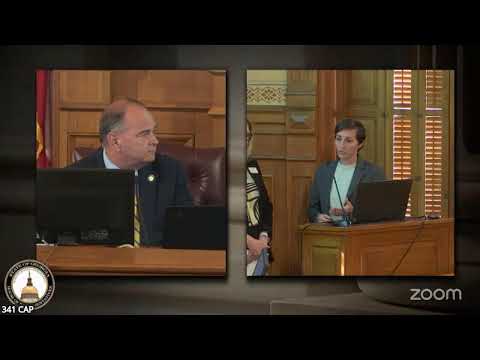
The Georgia Trauma Commission told the Appropriations Committee that targeted funding and performance‑based payments (PBP) have helped expand trauma‑care access and improve outcomes statewide. The commission representative said the system has more than doubled the number of trauma centers since 2007 and improved access to a trauma center by roughly 30%.
Funding and accountability The commission outlined primary funding sources: super‑speeder fines, which it said bring in about $24 million, and the fireworks trust at about $1.4 million. The commission emphasized performance and accountability: many trauma‑center contracts include a performance‑based pay component and the commission uses national benchmarking and American College of Surgeons verification to assess readiness and outcomes.
Outcomes and costs The commission presented risk‑adjusted outcome data that, it said, show substantial improvement over time — moving from around 16% worse than the national average in earlier years to about 6% better in recent years for major hospital events including mortality. The commission said level‑specific readiness costs remain high (level‑1 readiness previously estimated near $10 million, level‑2 near $5 million, level‑3 and 4 lower) and that updated cost analyses are in progress.
EMS workforce and rural access concerns Staff described concerns about ambulance 'deserts' and retention of EMTs and paramedics. The commission outlined plans to fund initial education programs, track retention and provide microgrants to support smaller rural classes so communities can obtain minimum class sizes. "We want your data anyway," a commissioner said, urging broader participation even from hospitals that do not seek trauma designation.
What’s next: the commission requested continued support for trauma system funding, signaled follow‑up on updated readiness cost data, and described outreach to rural areas and emergency medical services workforce programs. The committee adjourned without taking additional votes.