Get Full Government Meeting Transcripts, Videos, & Alerts Forever!
Get email alerts on the Dental Pharmacy Regulation topic
No spam. Unsubscribe anytime.
Dental and Pharmacy boards report staffing, hiring and appropriation uses
Summary
The directors of the Georgia Board of Dentistry and Board of Pharmacy reported rising license counts, a steady loss of retail pharmacies, and appropriations-funded hires and equipment; both boards emphasized education and outreach to reduce complaints and improve compliance.
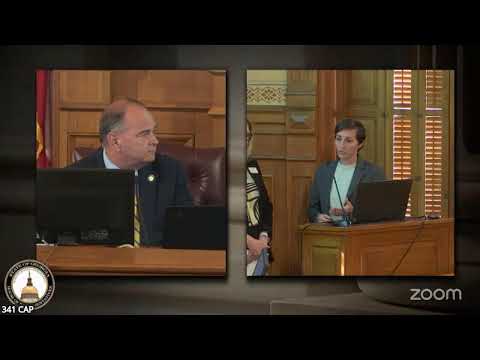
Clint Joyner, executive director for the Georgia boards of dentistry and pharmacy, told the Appropriations Committee that both boards have leaned into education and outreach alongside licensing and enforcement. "We've really leaned into what we see now as a third major function, which is education and dialogue with the public and with our licensees," Joyner said.
Dentistry: scope and workforce Joyner said the board licenses dentists, dental hygienists and a small number of faculty; he distinguished administrative counts (8,047 dental licenses on the agency’s books) from the actual number of practitioners (about 6,842). The board reported adding roughly 93 dentists and about 109 dental hygienists annually — growth Joyner said can still leave shortages in certain roles, particularly dental hygiene.
Enforcement and appropriations Joyner told the committee the dental board handles complaints and investigative reviews itself and uses cease‑and‑desist orders and referrals for unlicensed practice, which can be difficult to prosecute locally. He said the board received appropriations last year to fund two new investigator positions, retention raises for licensing personnel, and law‑enforcement equipment. "We have interviews for [criminal investigator] positions tomorrow," he said.
Pharmacy: license types and retail trend On pharmacy, Joyner described facility and pharmacist licenses and subpermits (for nuclear pharmacy and drug‑therapy modification), and reported a long‑term trend of losing roughly 20 retail pharmacies per year statewide. He said Georgia is still adding pharmacists — roughly 274 per year — and highlighted outreach efforts, such as panels at professional conventions, that led to policy changes (for example, addressing IV fluid storage after a practitioner raised the issue).
Licensing software and hiring Both boards are implementing or preparing to implement new licensing software and have used retention funds to raise analyst pay; Joyner said the boards expected deployment of new licensing software in the near term and that pharmacy and dentistry will each use appropriations to support additional staff and investigator hiring.
What’s next: committee members asked for clarifications about delegation, dental‑assistant scope, distinguishing retail pharmacy types, and the board said it can produce more detailed breakdowns on nonresident or retail pharmacy types if the committee requests them. No funding votes were taken at the hearing.