
Gwinnett prosecutors urge more referrals as committee hears low insurance‑fraud case counts
Get AI-powered insights, summaries, and transcripts
Subscribe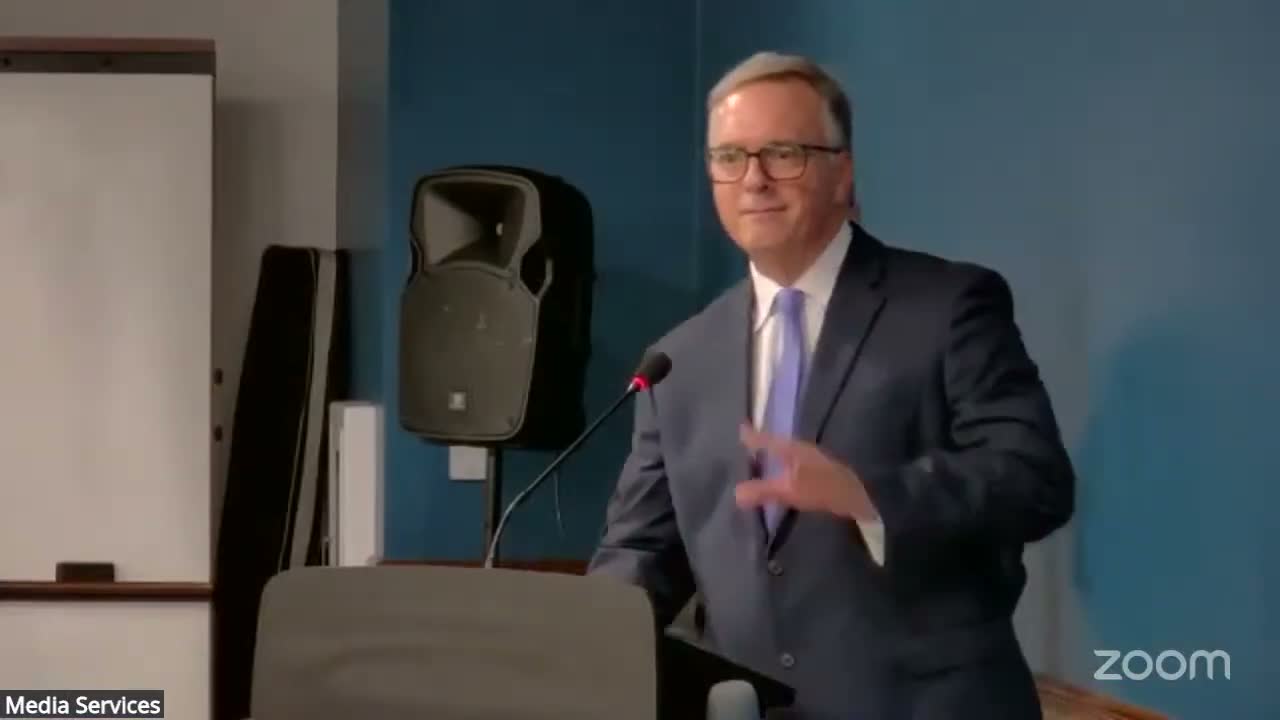
Summary
Gwinnett County prosecutors told the House study committee they are ready to prosecute insurance fraud but receive few referrals; DAs and prosecutors urged improved reporting, training and specialized white‑collar resources to pursue rings, runners and repeat fraudsters.
Gwinnett County — Prosecutors from the Gwinnett Judicial Circuit told the House Insurance Rate Study Committee they are equipped and willing to pursue insurance‑fraud cases but said low referral volumes and resource constraints limit the number of prosecutions.
Chief Assistant District Attorney John Melvin reviewed referral counts to his office under the insurance‑fraud statute (reported figures in testimony: 2021 — 5 referrals; 2022 — 8; 2023 — 12; last year — 8) and said those numbers “are very low when it comes to insurance fraud.” Melvin and Mike Carlson, executive assistant district attorney, asked insurers, the DOI and other agencies to send suspected cases to prosecutors.
“Our office is open for business,” Melvin said, describing the state statute as a “phenomenal tool” that carries felony penalties. He urged training for law enforcement and prosecutors so Title 33‑related offenses are recognized and triaged appropriately rather than misclassified in general theft or other categories.
Carlson and Melvin explained that the statute’s broad venue provision and the potential to tie insurance fraud into racketeering (RICO) or other white‑collar statutes allow prosecutors to pursue complex patterns of misconduct when cases are developed and referred. They also described how strong case packaging increases the chance of guilty pleas and restitution and noted appellate decisions are rare because prosecutors “get them by the time we get the case.”
Committee members pressed prosecutors on several practical barriers: some county offices are overwhelmed with violent‑crime caseloads, specialty financial‑crime expertise (e.g., FinCEN/money‑laundering) is limited, and victims may not know where or how to make effective referrals. Melvin recommended more training in law enforcement and prosecution conferences and suggested the DOI investigators and local agents could triage matters for the DAs.
What’s next: Prosecutors asked the committee to publicize that DA offices will accept referrals, and committee members said they would coordinate with the insurance department and district attorneys across the state to improve reporting, training and specialty capacity for complex fraud investigations.