Get Full Government Meeting Transcripts, Videos, & Alerts Forever!
Get email alerts on the Licensing And Compliance topic
No spam. Unsubscribe anytime.
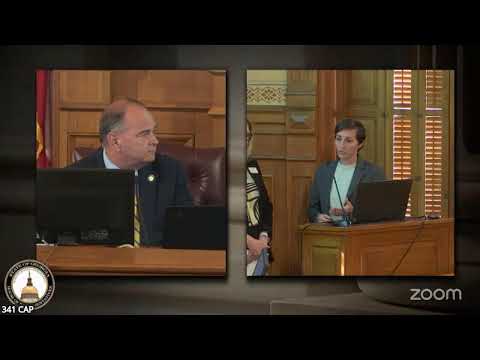
Medical Board tells Appropriations Committee backlogs fell but staffing still short
Summary
The Georgia Composite Medical Board told the Appropriations Committee it has expanded licensing approvals and investigative capacity but still faces a substantial complaints backlog and chronic customer‑service staffing gaps, asking for recurring funding to sustain progress.
The Georgia Composite Medical Board told the Appropriations Committee on Monday that changes to its licensing system and added staff have increased throughput but the board still faces a significant case backlog and heavy customer‑service demands. "We are a composite board — license, regulate, educate," the board representative said, describing a broader role than just issuing licenses.
The board said it regulates 11 professions and has expanded its investigatory and peer‑review capacity since the current leader took office, increasing medical directors from three to five and contracting more than 70 medical peer reviewers. It also cited process improvements after moving away from a paper system — APRN protocol approvals rose from roughly 300 to about 700 per month and the board projects further growth as workflows are refined.
Why it matters: committee members pressed the board on whether system changes had reduced delays for applicants and clinicians. The board said a new tracking system and clearer applicant guidance should reduce incomplete submissions and speed approvals, but emphasized that staffing limits slow day‑to‑day operations.
The board reported a 70.69% increase in compliance complaints since the new leadership began triaging more matters for review, and provided counts it said illustrated the workload: about 258 cases pending assignment and hundreds in review with medical directors. The representative described phone and email workloads that would amount to an unsustainable 14–19 hour workday per person if staff handled every incoming contact without break.
Committee members asked about investigator levels and licensing delays. The board said it currently employs seven investigators, has recently added two inspectors with one of the committee’s prior appropriations, and is using retained fee revenue in part to fund six staff positions while seeking recurring state funding for long‑term stability.
What’s next: the board said it is finalizing rule changes — including requiring some documentation (for example, FCVS profiles for physicians) — to streamline intake and reduce processing time. The representative thanked the committee for prior funding and asked that the legislature consider sustainable operating appropriations to avoid relying on retained fees.
The committee did not take a vote on funding during the hearing; members indicated interest in tracking workload metrics and case assignment counts going forward.