Get Full Government Meeting Transcripts, Videos, & Alerts Forever!
Get email alerts on the Zoning Variance topic
No spam. Unsubscribe anytime.
Planning board approves variance to allow lot split at 1013 East 7th Court
Summary
The Panama City Planning Board voted unanimously to approve a variance allowing a lot split at 1013 East 7th Court to bring existing structures into compliance; neighbors raised concerns about infrastructure and future subdivision pressure.
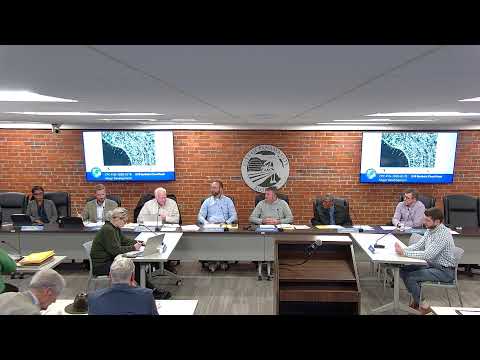
The Panama City Planning Board voted 4‑0 to approve a variance that will allow the property at 1013 East 7th Court to be split from the adjacent 1015 parcel, the board said Dec. 8.
Staff introduced case CPCPLN20260095 as a request to vary the side‑setback regulations in section 10436.3 of the Unified Land Development Code so the existing structures — which sit as close as 1 foot to the property line — can be subdivided. Staff recommended approval to bring the site into compliance and enable needed upgrades to the adjacent building.
Caseta Davis McCray, who identified herself at the hearing as the applicant, said 1013 was built around 1940 and the split is intended to allow repairs and upgrades to the neighboring structure. The board asked staff to confirm location details; staff said the nonconforming setback is on the west side and that all structures involved are existing.
Neighbor Shirley Robinson, a resident of the area for about 40 years, said her concern was less about what the owner can do with their own land than about the effect approving a variance might have on future subdivision of larger lots. "Once you open that door that you can do it, then how do you close that door?" Robinson asked, saying narrow streets, water‑pressure problems and aging sewer infrastructure in her Glenwood neighborhood could make additional housing difficult to serve.
Staff responded that variances are one step in development review and do not eliminate later technical checks: "They have to go through a process" that reviews water, sewer and traffic impacts and that any future subdivision would be reviewed on a case‑by‑case basis, staff said.
After public comment and staff recommendations, a board member moved to approve the variance. Roll call recorded affirmative votes from Stamps, Barker, Rich and the chair, and the motion passed unanimously.
The variance approval allows the property owner to proceed with the subdivision process under the code's variance review. Any further development proposals on the newly divided lots will be subject to subsequent review for utilities, emergency access and other standards.